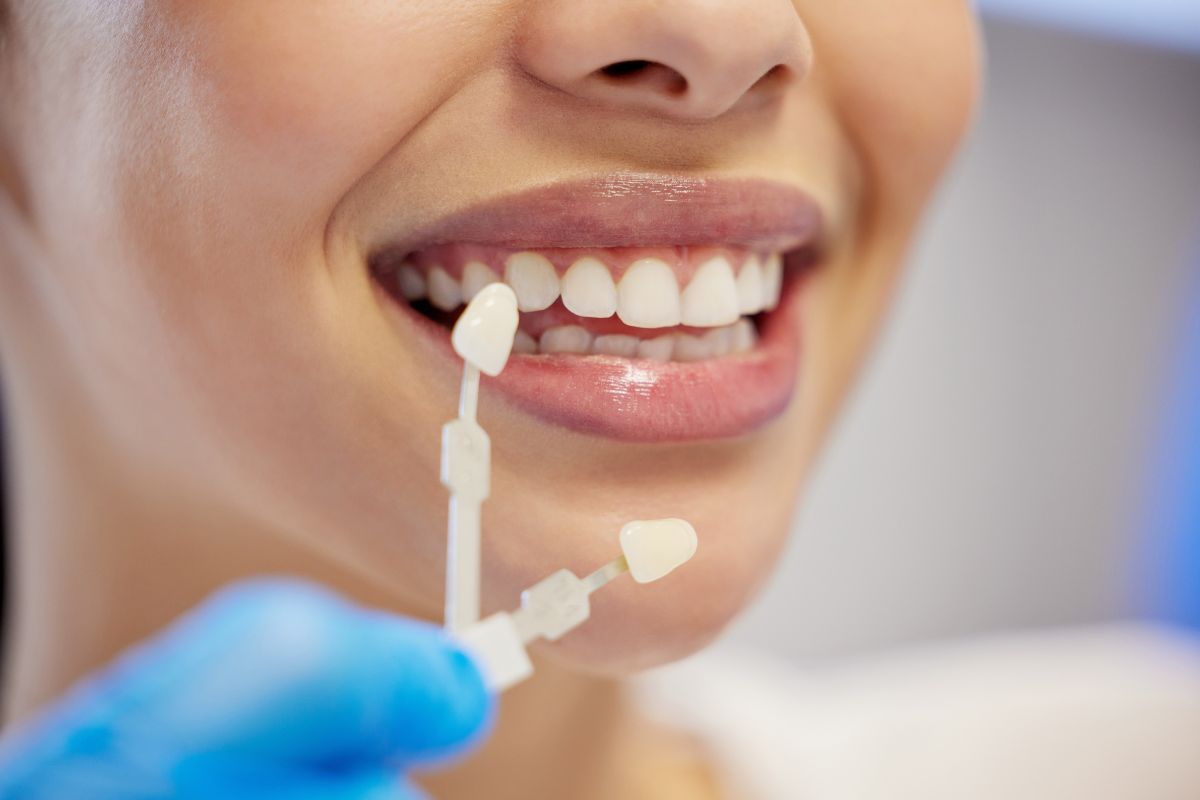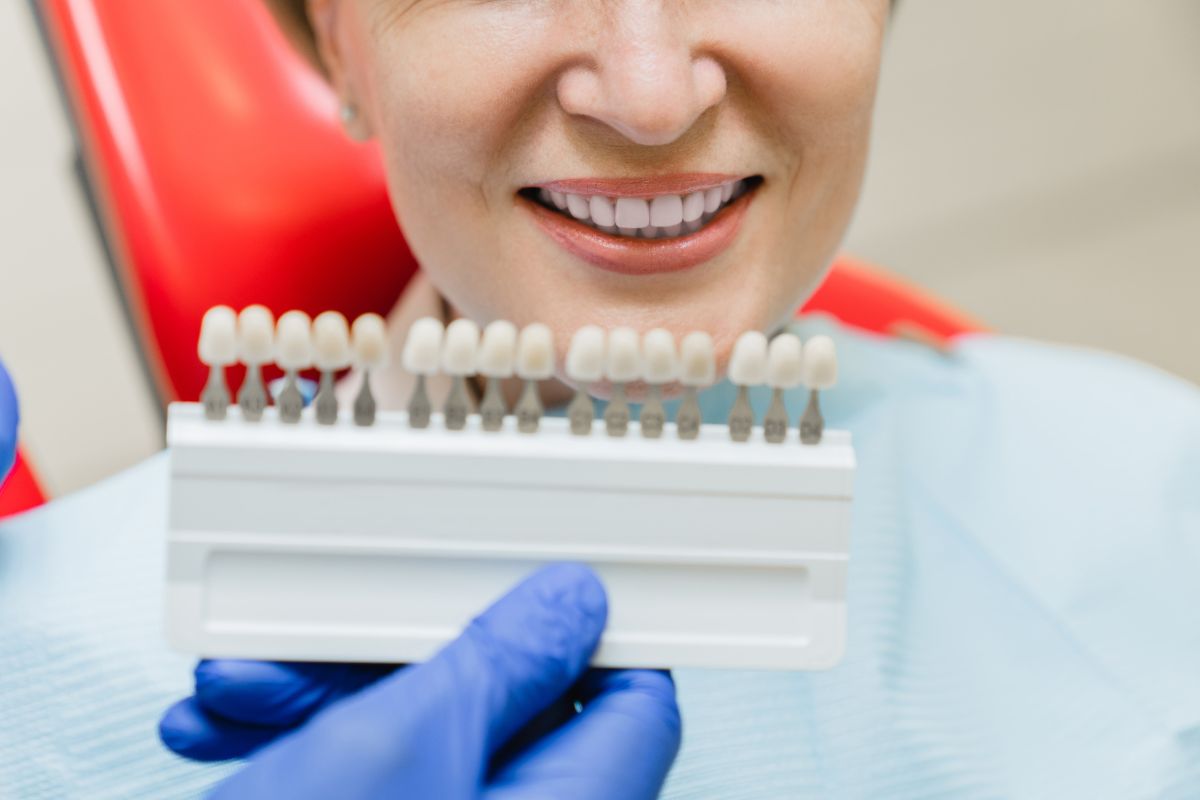



Dental bonding is a popular cosmetic procedure used to improve the appearance of teeth. It involves applying a tooth-colored resin material to the teeth, which is then hardened with a special light, bonding the material to the tooth to improve its appearance and function. While dental bonding is generally a straightforward and effective treatment, some patients experience sensitivity in their teeth afterward. Understanding why teeth may become sensitive after dental bonding can help alleviate concerns and guide you on how to manage this temporary condition.
What is Dental Bonding?
Dental bonding is a procedure in which a dentist applies a composite resin to one or more teeth to repair damage. It is commonly used for:
- Repairing chipped or cracked teeth
- Closing gaps between teeth
- Changing the shape or color of teeth
- Protecting a portion of the tooth’s root that has been exposed when gums recede
The resin used in bonding is shaped and polished to match the surrounding teeth, resulting in a natural-looking enhancement.
Common Causes of Sensitivity After Dental Bonding
- Tooth Preparation:
Before applying the bonding material, the dentist may need to roughen the tooth’s surface and apply a conditioning liquid. This preparation can sometimes irritate the tooth’s nerves, leading to temporary sensitivity. - Bonding Material:
The composite resin used in bonding can conduct temperature changes. After bonding, teeth may become more sensitive to hot or cold foods and beverages as the material adjusts and integrates with the natural tooth structure. - Exposure of Nerve Endings:
In some cases, the bonding process might expose nerve endings in the teeth, especially if the enamel is thin or if the dentin (the layer beneath the enamel) was exposed during the procedure. This exposure can lead to increased sensitivity. - Bite Adjustment:
If the bonded tooth is slightly higher than the surrounding teeth, it can affect your bite. An uneven bite can cause discomfort and sensitivity as the teeth adjust to the new alignment.
Managing Sensitivity After Dental Bonding
Experiencing sensitivity after dental bonding is typically temporary and should subside as your teeth adjust. Here are some tips to help manage and reduce sensitivity:
- Use Desensitizing Toothpaste:
Toothpaste designed for sensitive teeth can help reduce discomfort. These toothpastes contain compounds that block pain signals from the tooth’s surface to the nerves. - Avoid Extreme Temperatures:
Try to avoid consuming very hot or cold foods and drinks immediately after the procedure. Opt for lukewarm or room temperature options until the sensitivity decreases. - Maintain Good Oral Hygiene:
Continue brushing and flossing regularly to keep your teeth and gums healthy. Use a soft-bristled toothbrush to avoid further irritation. - Use Fluoride Rinse:
Fluoride mouth rinses can help strengthen the enamel and reduce sensitivity. Rinse with fluoride mouthwash daily to promote oral health. - Consult Your Dentist:
If the sensitivity persists or worsens, schedule a follow-up appointment with your dentist. They can check for any issues with the bonding and make necessary adjustments.
When to Seek Professional Help
While sensitivity after dental bonding is usually temporary, certain signs may indicate a need for professional attention:
- Persistent Sensitivity: If the sensitivity does not improve within a few weeks, it’s important to consult your dentist. Prolonged discomfort could indicate an underlying issue that needs to be addressed.
- Severe Pain: Intense pain is not typical and should be evaluated by your dentist to rule out complications such as bonding failure or tooth damage.
- Bite Problems: If your bite feels uneven or if you experience difficulty chewing, your dentist may need to adjust the bonding to ensure proper alignment.
Conclusion
Dental bonding is a versatile and effective cosmetic dental procedure that can enhance the appearance and function of your teeth. While some sensitivity after the procedure is normal, it is typically temporary and manageable with proper care. Understanding the causes of post-bonding sensitivity and following recommended practices can help ensure a smooth recovery and allow you to enjoy the benefits of your newly bonded teeth. If you have any concerns or experience prolonged discomfort, don’t hesitate to reach out to your dentist for guidance and support.