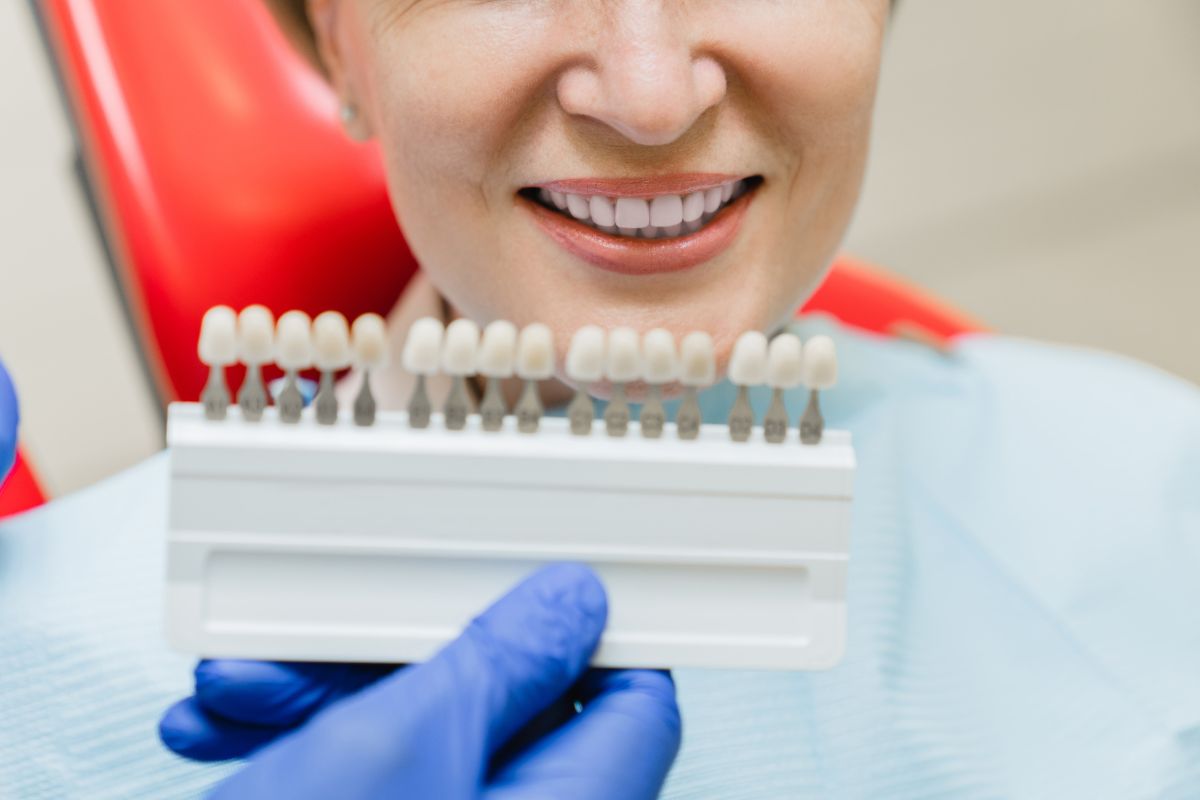


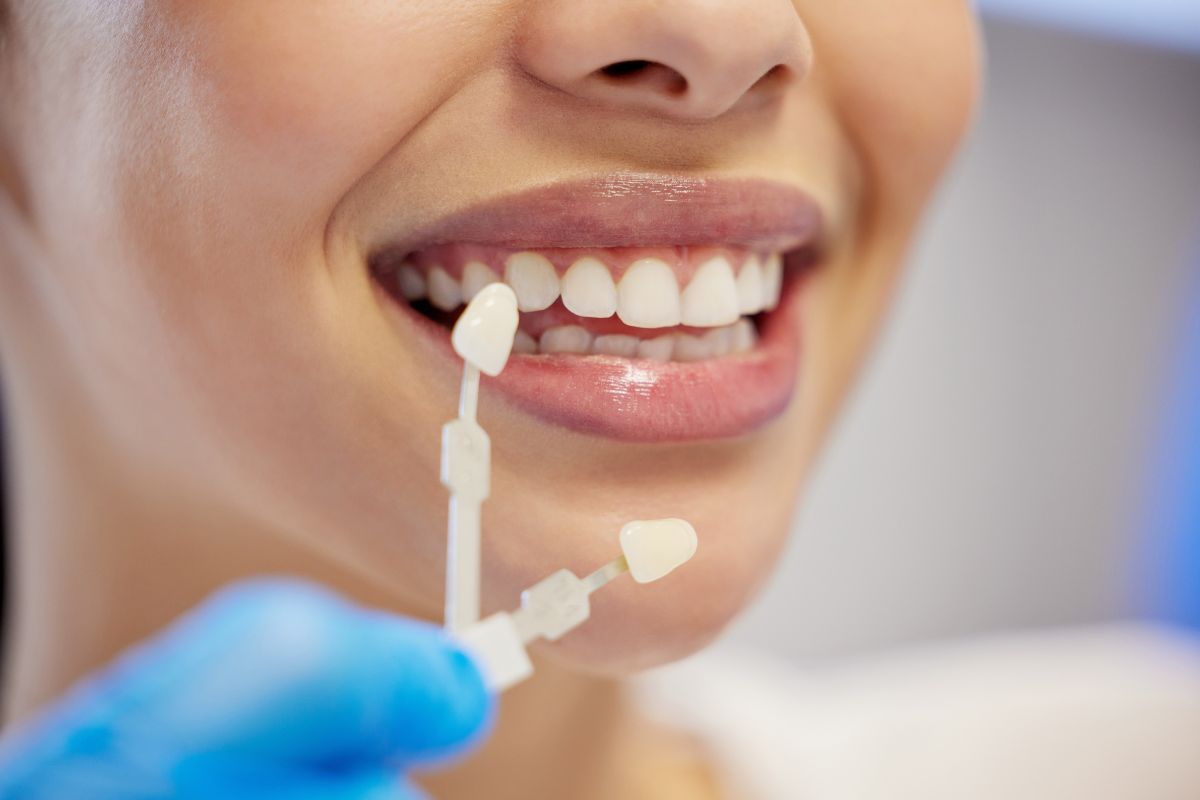
Cosmetic dentistry has evolved significantly, and few treatments are as popular as veneers. However, responsible cosmetic care is never about trends — it is about diagnosis, long-term health, and ethical decision-making. At Bella Smiles, every cosmetic request begins with a clinical conversation, not a cosmetic procedure.
Patients searching for a dentist nearby often arrive specifically asking about dental veneers, expecting a quick transformation. While tooth veneers can dramatically enhance appearance, experienced dentists understand that cosmetic treatment must never override biological health. Veneers are a solution — but only when the foundation is stable.
This guide explains when a dentist may decline or delay veneers, what factors are considered, and how proper evaluation protects both the smile and overall oral health.
Meet the Dentists Behind Bella Smiles
Dr. Aseem Chawla

Dr. Aseem Chawla is known for his integrity, strong personal values, and commitment to clinical excellence. After graduating at the top of his class and earning recognition on the All USA High School Academic Team, he attended Dartmouth College before completing his Doctorate of Dental Medicine at Tufts University.
Following dental school, Dr. Chawla practiced hospital dentistry for two years, gaining comprehensive experience across cosmetic and restorative disciplines. Practicing since 2000, he believes that clinical expertise must be paired with compassion and approachability to truly serve patients.
Outside the office, Dr. Chawla is an avid skier, fitness enthusiast, and world traveler. His volunteer dental missions to Guatemala and Sri Lanka reflect his dedication to service. From climbing Mt. Kilimanjaro to exploring Tibet and Easter Island, his global experiences shape the warm, personable demeanor patients appreciate in a Las Vegas dentist.
Dr. Anahita Khoramshahi
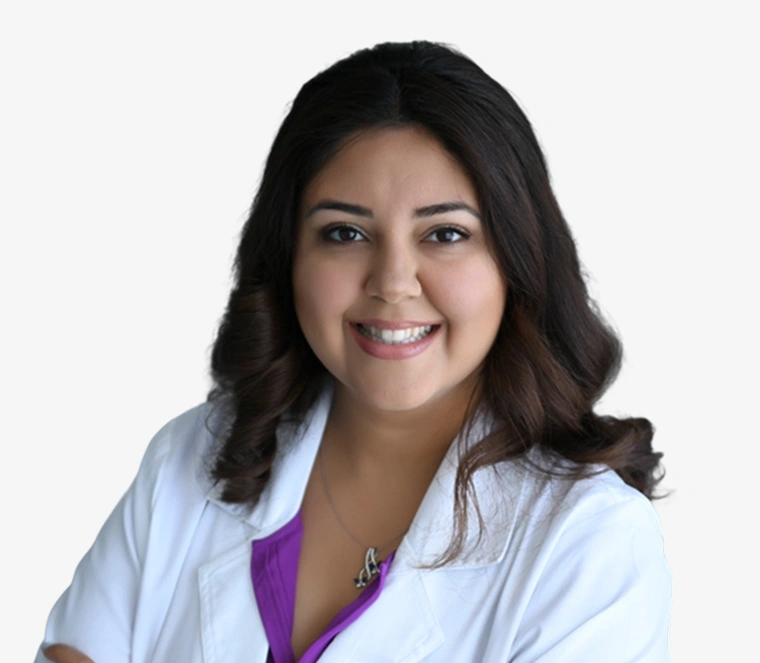
Dr. Khoramshahi moved to the United States at 18 and pursued dentistry with determination and resilience. She graduated from University of California Los Angeles in 2013 and earned her dental degree from UNLV School of Dental Medicine in 2018.
Since then, she has been committed to delivering exceptional care while continuing advanced education to refine her expertise. Her dedication to growth and mentorship allows her to provide comprehensive cosmetic and restorative solutions with confidence and precision.
Beyond dentistry, Dr. Khoramshahi enjoys reading, cooking shows, crocheting, traveling, and spending time with her family. Her compassionate nature aligns with Bella Smiles’ patient-centered philosophy.
Laurence J. Levine, DDS

Dr. Levine is a specialist in periodontics with decades of experience in surgical and restorative dentistry. He completed his undergraduate education at Lafayette College and earned his DDS and post-doctoral certification in Periodontics and Implant Dentistry from Columbia University School of Dental and Oral Surgery.
With more than 9,000 dental implants placed throughout his career, Dr. Levine brings unparalleled expertise in osseous surgery, bone grafting, and implant dentistry. He previously operated a private practice in Ft. Lauderdale, Florida from 1963 to 2018 and continues to collaborate within a restorative dental team environment in Las Vegas.
A former tournament-level tennis player and martial artist, Dr. Levine believes that exercise and nutrition are essential for longevity. He and his wife enjoy life in Southern Nevada, where he continues contributing his extensive surgical expertise to patient care.
Why a Clinical Exam Comes Before Cosmetic Decisions
In dentistry, the success of veneers depends on structure, bite balance, gum health, and enamel integrity. Cosmetic changes without functional stability often lead to premature failure.
Before recommending teeth veneers, a dentist evaluates:
- Periodontal health (gum condition)
- Presence of decay or infection
- Enamel thickness
- Bite alignment (occlusion)
- Jaw function
- Existing restorations
- Patient habits (grinding, clenching, nail-biting)
Many patients assume that veneers simply “cover” imperfections. In reality, dental veneers require precise enamel bonding and structural support. If a tooth is compromised, the veneer may chip, detach, or create long-term sensitivity.
A responsible dentist prioritizes diagnosis over aesthetics. That is why a cosmetic consultation is never rushed. The focus remains on determining whether veneers are appropriate — not simply fulfilling a request.
Medical and Dental Conditions That Contraindicate Veneers
There are several situations in which dentists will not recommend immediate veneering of teeth.
1. Active Gum Disease
Inflamed or infected gums compromise stability. Veneers rely on healthy gum margins for aesthetic blending and longevity. Placing dental veneers over untreated periodontal disease can worsen tissue damage.
Treatment priority:
- Scaling and root planing
- Periodontal therapy
- Maintenance stabilization
Only after gum health is restored will cosmetic work be reconsidered.
2. Untreated Tooth Decay
Decay undermines tooth structure. Bonding a veneer onto a compromised tooth risks failure and recurrent infection. Restorative treatment must precede cosmetic enhancement.
3. Severe Bruxism (Teeth Grinding)
Chronic grinding places excessive pressure on restorations. While porcelain is durable, it is not indestructible. Patients with uncontrolled bruxism are often advised to:
- Use a night guard
- Undergo bite evaluation
- Address stress-related clenching
Until grinding is controlled, veneers may not be recommended.
4. Significant Misalignment
If teeth are severely rotated or crowded, orthodontic treatment may be more appropriate. Veneers can camouflage mild irregularities, but they cannot correct structural bite dysfunction.
In many cases, aligners or braces are recommended first. Cosmetic work may follow after alignment stabilizes.
5. Insufficient Enamel
Veneer in dentistry depends on bonding to enamel. If enamel is thin or eroded, bonding strength decreases. In such cases, crowns or alternative restorations may be safer options.
6. Young Age or Incomplete Dental Development
Teenagers or young adults with changing gum lines may not be ideal candidates. Because tooth veneering is partially irreversible, timing is critical.
7. Unrealistic Expectations
Cosmetic dentistry enhances smiles — it does not create artificial perfection. A dentist may decline veneers if expectations are unattainable or if the motivation stems from unrealistic aesthetic goals.
Ethical dental providers prioritize psychological and functional well-being alongside cosmetic outcomes.
Safer Alternatives a Dentist May Recommend First
When veneers are not suitable, several alternatives exist. A dentist’s role includes educating patients about options that protect natural tooth structure.
Teeth Whitening
For patients concerned about discoloration, whitening may achieve desired results without altering enamel structure.
Composite Bonding
Bonding can repair chips and minor gaps conservatively. Unlike porcelain teeth veneers, bonding requires less enamel reduction.
Orthodontic Treatment
Clear aligners can address spacing and crowding. Proper alignment creates a stable foundation for future cosmetic treatment if desired.
Crowns
When structural damage is extensive, crowns may provide better reinforcement than veneers.
Gum Contouring
If uneven gum lines affect appearance, periodontal reshaping may resolve concerns without altering tooth surfaces.
A comprehensive consultation ensures that veneers are chosen because they are the best option, not the fastest.
The Diagnostic Steps at Bella Smiles (Radiographs, Bite Analysis, Periodontal Charting)
At Bella Smiles, cosmetic treatment begins with structured diagnostics. The goal is long-term predictability.
1. Digital Radiographs
X-rays identify hidden decay, bone levels, and root health.
2. Periodontal Charting
Gum pocket measurements determine whether inflammation or bone loss exists.
3. Occlusal Analysis
Bite evaluation ensures that forces are evenly distributed. Unbalanced occlusion increases veneer fracture risk.
4. Enamel Assessment
Thickness and quality of enamel are examined to determine bonding viability.
5. Smile Design Planning
Digital imaging may be used to simulate potential results, ensuring alignment between expectations and clinical possibilities.
This systematic approach reflects responsible cosmetic care. Experienced dentists understand that veneers are part of a comprehensive plan — not a standalone product.
Real Cases: When Veneers Were Delayed — and Why
Case 1: Gum Inflammation
A patient sought dental veneers to address discoloration. Examination revealed early periodontal disease. Treatment focused on deep cleaning and hygiene education. After stabilization, cosmetic reassessment occurred six months later.
Outcome: Improved gum health; whitening achieved the desired result without veneers.
Case 2: Severe Grinding
Another patient requested a full smile transformation with porcelain veneers. Bite analysis revealed significant wear from bruxism.
Plan:
- Night guard therapy
- Occlusal adjustment
- Monitoring
Veneers were postponed to protect long-term outcomes.
Case 3: Orthodontic Need
A patient with rotated front teeth requested immediate cosmetic correction. Instead of masking tooth misalignment with veneers, orthodontic treatment was recommended.
After alignment, minimal bonding resolved cosmetic concerns — avoiding unnecessary enamel removal.
These cases illustrate that responsible dental providers prioritize structural stability over cosmetic speed.
How to Prepare Your Mouth for Future Cosmetic Work
Patients interested in veneers can take proactive steps to become ideal candidates.
Maintain Excellent Oral Hygiene
- Brush twice daily
- Floss consistently
- Attend professional cleanings
Address Bite Issues Early
If grinding or jaw discomfort exists, seek evaluation before cosmetic treatment.
Complete Restorative Care
Fillings, root canals, or periodontal therapy should be stabilized first.
Discuss Goals Realistically
Understanding the limitations and benefits of veneers ensures satisfaction.
Schedule a Diagnostic Smile Evaluation with a Dentist in Las Vegas
Choosing cosmetic dentistry requires trust. Veneers can enhance symmetry, color, and confidence — but only when placed on a healthy foundation.
At Bella Smiles, cosmetic consultations are grounded in clinical integrity. The practice prioritizes a comprehensive diagnosis before recommending dental veneers, ensuring that each tooth’s health supports long-term success.
Patients considering tooth veneers are encouraged to schedule a diagnostic evaluation. A thorough exam allows experienced dentists to determine candidacy, discuss alternatives, and create a personalized treatment plan tailored to long-term oral health.
For individuals seeking a trusted dentist near them who values both function and aesthetics, Bella Smiles provides patient-centered care supported by evidence-based dentistry.
Cosmetic transformation begins with responsible evaluation — because in modern dentistry, health always comes first.