


If you’ve ever searched “do root canals hurt?” you’re not alone. Root canal therapy has an unfair reputation—but the reality is very different. Modern root canal treatment is designed to relieve pain, not cause it.
At Bella Smiles, we provide gentle, patient-focused root canal dental care using advanced technology and effective anesthesia. For most patients, the root canal procedure feels similar to getting a filling—and the relief afterward is often immediate.
What is Root Canal Therapy?
Root canal therapy (also known as RCT dental treatment) is performed to save a damaged or infected root canal tooth. Instead of extracting the tooth, your dentist removes the infection from inside the tooth and restores it so you can chew comfortably again.
When Is a Tooth Root Canal Needed?
A tooth root canal is recommended when the pulp inside the tooth becomes inflamed or infected due to:
- Deep cavities
- Cracks or fractures
- Trauma or repeated dental procedures
Ignoring infection can worsen root canal pain and lead to abscesses or tooth loss.
Types of Root Canals
Not all root canals are the same. Treatment depends on the tooth’s anatomy and condition:
- Single-Canal Teeth: Front teeth and some premolars (simpler cases)
- Multi-Canal Teeth: Molars with multiple roots (more complex but routine)
- Root Canal Retreatment: For teeth that become reinfected
- Apicoectomy: Minor surgical option when standard RCT isn’t enough
Each approach is carefully tailored to ensure long-term success.
Why Saving the Tooth Matters
Choosing a root canal dental treatment over extraction:
- Preserves your natural smile
- Maintains proper chewing and bite alignment
- Prevents neighboring teeth from shifting
- Avoids the need for implants or bridges
Saving your root canal tooth is almost always the healthiest option.
How the Root Canal Procedure Works
- Complete Numbing
Local anesthesia ensures the area is fully numb, so you remain comfortable throughout treatment. - Tooth Isolation
A rubber dam keeps the tooth dry and protected. - Accessing the Tooth
A small opening is made to reach the infected pulp. - Cleaning & Shaping
Infected tissue is removed, and the canals are disinfected and shaped. - Sealing the Canals
The canals are filled with biocompatible gutta-percha to prevent reinfection. - Restoration
A temporary filling is placed, followed by a dental crown in most cases, to strengthen the tooth.
Do Root Canals Hurt During Treatment?
Short answer: No.
Thanks to modern anesthesia and precision techniques, most patients feel little to no pain during the root canal procedure. In fact, the procedure eliminates the infection that’s causing discomfort in the first place.
What to Expect
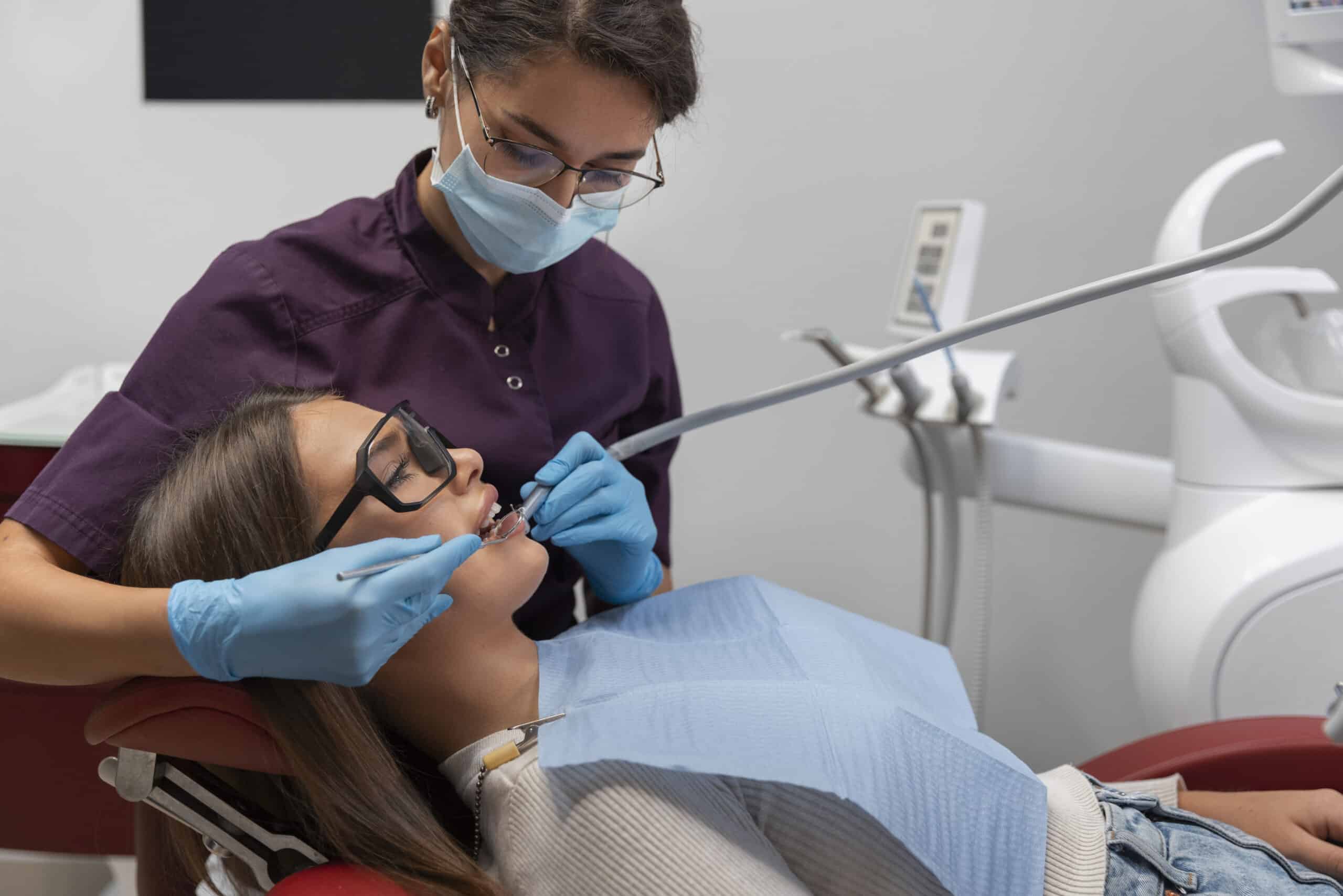
Despite its reputation, root canal therapy is usually no more uncomfortable than a standard filling. Thanks to modern techniques and advanced anesthesia, the procedure is designed to be safe, effective, and stress-free.
Pain After Root Canal: What’s Normal?
Some pain after root canal therapy is normal—but it’s usually mild and temporary.
Common, Temporary Side Effects
- Mild soreness or sensitivity (a few days)
- Slight swelling around the tooth
- Tenderness when chewing
When to Call Your Dentist
- Severe pain that worsens
- Swelling that doesn’t improve
- Pain lasting longer than 2 weeks
These symptoms may indicate lingering infection and should be evaluated promptly.
How Long Does Root Canal Pain Last?
- First few days: Mild soreness is common
- 1–2 weeks: Most discomfort fades significantly
- Beyond 2 weeks: Pain should be checked by your dentist
Tips to Heal Faster
- Take medications as prescribed
- Avoid chewing on hard foods initially
- Use ice packs for swelling
- Maintain excellent oral hygiene
Schedule Your Root Canal Therapy with Bella Smiles
Root canal therapy is a safe, proven way to stop infection, relieve pain, and save your natural tooth. While mild discomfort can occur, the vast majority of patients feel better within days—not worse.
If you’re experiencing tooth pain or think you may need a root canal procedure, early treatment can make all the difference. Bella Smiles is committed to comfortable, expert root canal dental care that puts your health first.
Schedule your consultation today and get lasting relief—without fear.
FAQs
Q. Do root canals hurt?
A: Modern root canal therapy is usually no more painful than getting a dental filling. Local anesthesia keeps you comfortable during the procedure, and most pain comes from the infection itself—not the treatment.
Q. How will I know if I need a root canal?
A: Symptoms include persistent toothache, sensitivity to hot/cold, swelling, or an abscess. Sometimes X-rays show infection even without pain.
Q. Is there pain after a root canal?
A: Some mild soreness or sensitivity for a few days is normal. If pain worsens or doesn’t improve, contact your dentist.
Q. Will I need a crown after a root canal?
A: Often, yes. A crown strengthens the treated tooth and helps prevent fractures, especially in back teeth.
Q. Can a root canal fail?
A: Yes, rare complications like persistent infection can occur. If pain or swelling persists, your dentist may need to evaluate or retreat the tooth.