


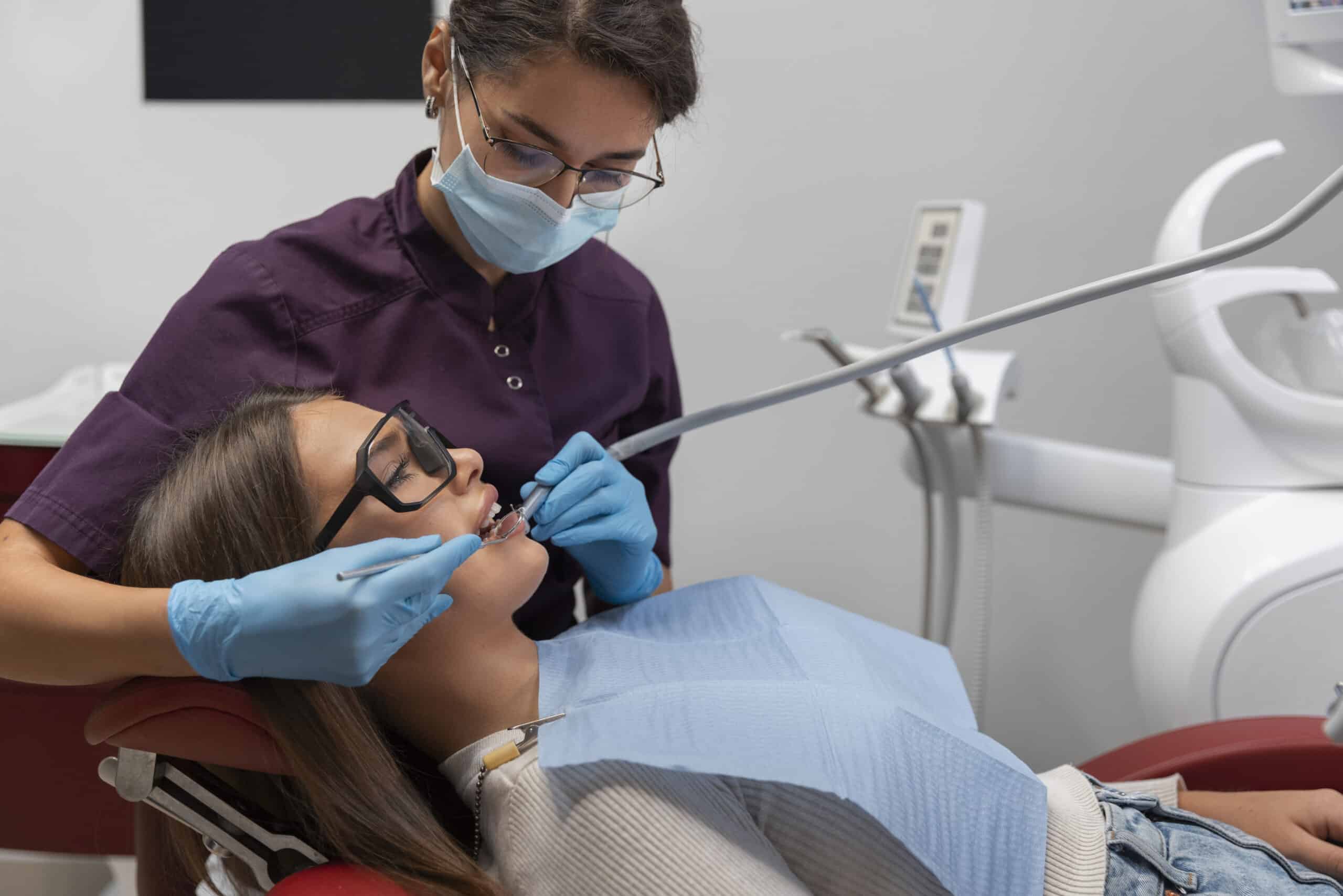
Root canal treatment often conjures images of discomfort and anxiety for many dental patients. However, understanding the procedure and what to expect can help alleviate fears and ensure a smoother experience. In this blog, we’ll demystify root canal treatment, shedding light on the process and providing insights into what you can expect during your visit to the dentist in Las Vegas.
Understanding Root Canal Treatment
Root canal treatment, also known as endodontic therapy, is a procedure designed to save a tooth that has become infected or severely damaged. It involves removing infected or damaged pulp from the tooth’s interior, cleaning and disinfecting the root canals, and sealing them to prevent further infection.
Signs You May Need a Root Canal
- Persistent tooth pain, especially when biting or applying pressure
- Sensitivity to hot or cold temperatures that lingers after the stimulus is removed
- Swelling or tenderness in the nearby gums
- Darkening or discoloration of the tooth
- A pimple-like bump on the gums near the affected tooth
If you’re experiencing any of these symptoms, it’s essential to consult with a dentist promptly to determine if root canal treatment is necessary.
The Root Canal Procedure
- Assessment and X-rays: Your dentist will begin by examining the affected tooth and taking X-rays to assess the extent of the damage and determine the best course of action.
- Anesthesia: Before starting the procedure, the dentist will numb the area around the affected tooth using local anesthesia to ensure you’re comfortable throughout the treatment.
- Accessing the Tooth: Once the area is numb, the dentist will create an opening in the crown of the tooth to access the pulp chamber and root canals.
- Removing the Infected Pulp: Using specialized instruments, the dentist will carefully remove the infected or damaged pulp from the tooth’s interior, cleaning and shaping the root canals to remove any bacteria and debris.
- Filling and Sealing: After the root canals are cleaned and disinfected, they are filled with a biocompatible material called gutta-percha to seal them and prevent reinfection. The opening in the crown is then sealed with a temporary or permanent filling.
- Restoration: In some cases, a dental crown may be placed over the treated tooth to provide additional strength and protection. Your dentist will discuss the best restoration option for your specific needs.
Aftercare and Recovery
- Following root canal treatment, it’s normal to experience some mild discomfort or sensitivity, which can typically be managed with over-the-counter pain relievers.
- You may need to avoid chewing on the treated tooth until the permanent restoration is placed to prevent further damage.
- Attend follow-up appointments as recommended by your dentist to ensure proper healing and monitor the success of the treatment.
Root canal treatment may seem daunting, but it’s a common and highly effective procedure for saving infected or damaged teeth. By understanding the process and knowing what to expect, you can approach your root canal appointment with confidence and peace of mind. If you’re experiencing tooth pain or other symptoms of dental infection, don’t hesitate to schedule a consultation with a dentist to discuss your options for treatment. Your dentist will work with you to ensure a comfortable and successful root canal experience, restoring your oral health and preserving your natural smile.