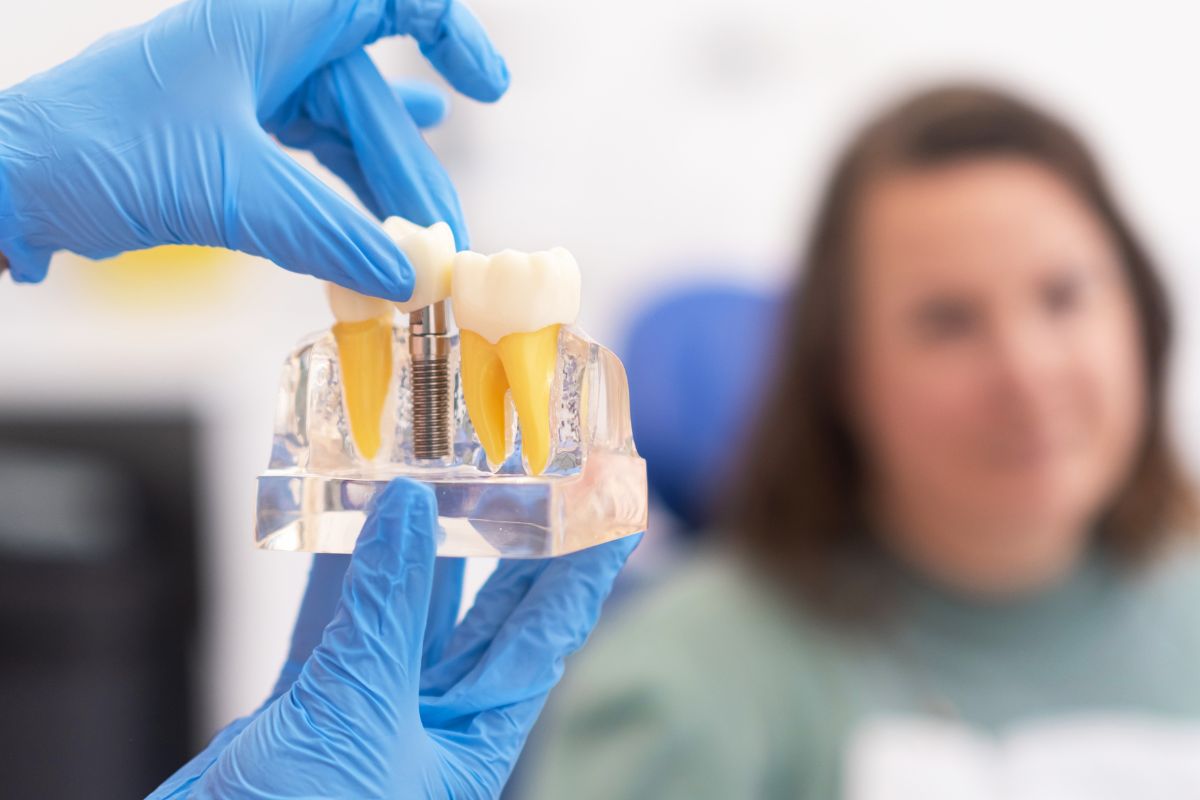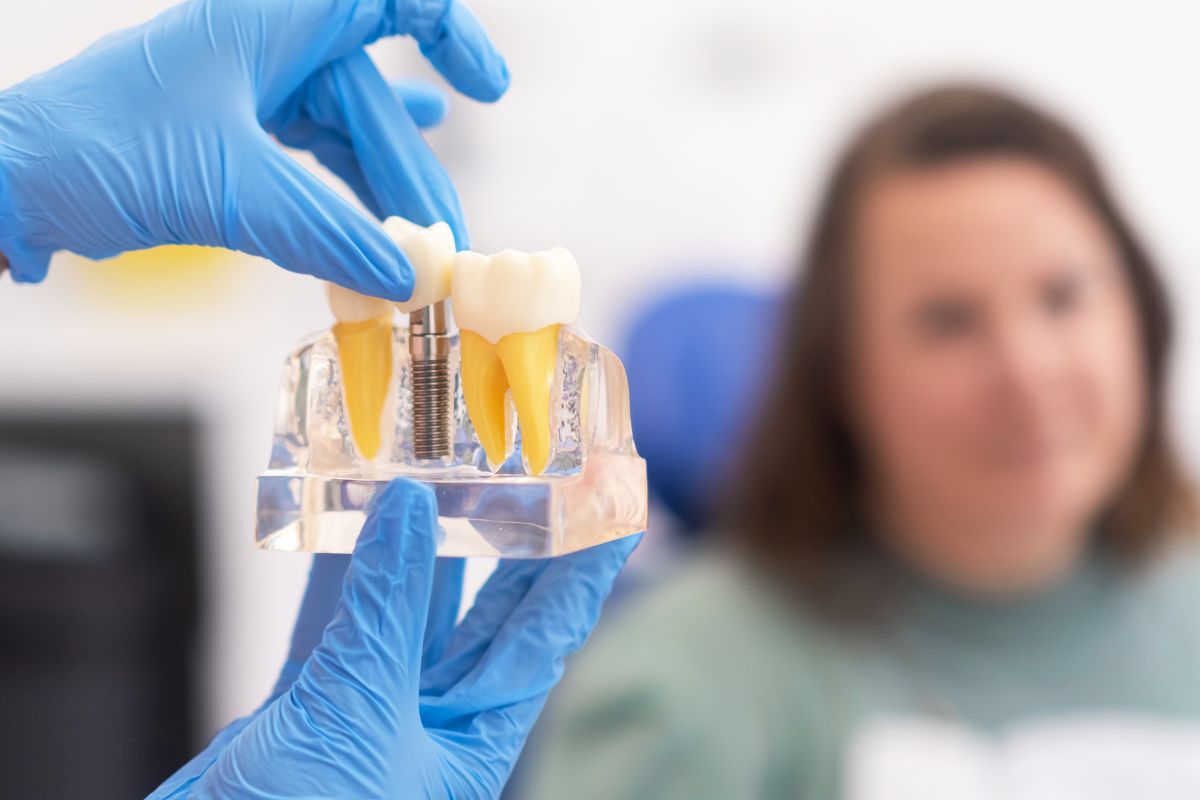


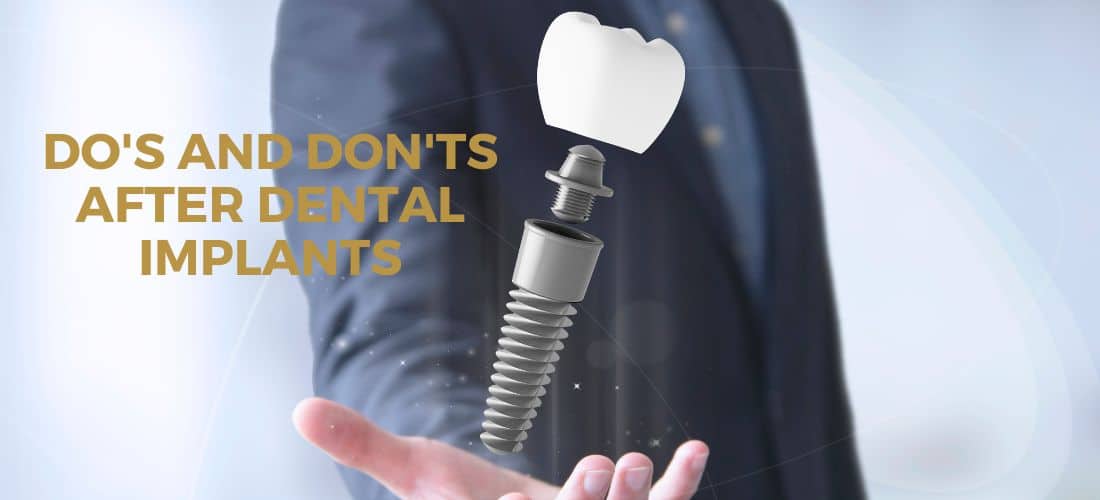
Dental implants are one of the most reliable and natural-looking solutions for replacing missing teeth. As dentists, we often recommend implant teeth because they restore both function and confidence while closely mimicking natural teeth. However, the long-term success of a dental implant doesn’t depend on the procedure alone—it largely depends on how well you care for your implant tooth during the healing phase.
At Bella Smiles, we place dental implants regularly and guide our patients through every stage of recovery. Proper post-operative care helps your implant integrate with the jawbone, prevents complications, and ensures it lasts for years to come. Below, we’ve outlined essential dos and don’ts after dental implant surgery—straight from your dentist.
Meet the Dentists at Bella Smiles in Las Vegas
At Bella Smiles, dental implant care is guided by experience, collaboration, and a strong commitment to patient comfort.
Dr. Aseem Chawla, a Tufts University–trained dentist with over 20 years of clinical experience, is known for his calm, gentle approach to general and cosmetic dentistry. His background in hospital dentistry and patient-first philosophy allows him to manage complex treatments—such as dental implants—with precision, empathy, and attention to long-term outcomes.
Working alongside him is Dr. Anahita Khoramshahi, a UCLA and UNLV School of Dental Medicine graduate. She focuses heavily on prevention, patient education, and helping individuals understand how daily habits impact oral health. Her approach ensures patients feel informed and confident throughout their implant journey.
For cases requiring advanced gum and bone care, Bella Smiles collaborates with Dr. Laurence Levine, a periodontal specialist who supports the foundation necessary for successful implants. Together, this team ensures every implant is placed and maintained with expertise and coordinated care.
Do’s After Dental Implants
1. Follow Your Dentist’s Instructions
Every implant case is unique. Your dentist will provide personalized post-operative instructions based on your implant placement, bone health, and overall oral condition. Following these directions closely is critical for implant success.
2. Manage Pain and Swelling Properly
Mild discomfort is normal after dental implant surgery. Use prescribed or dentist-approved pain relievers as directed. Applying ice packs to the outside of your face for 15–20 minutes at a time during the first 24–48 hours can significantly reduce swelling.
3. Maintain Gentle but Consistent Oral Hygiene
Keeping your mouth clean is essential to prevent infection around the implant site. Brush with a soft-bristle toothbrush and avoid aggressive movements near the implant tooth. Your dentist may also recommend saltwater rinses or a medicated mouthwash to protect healing tissues.
4. Eat Soft, Nutrient-Rich Foods
During the initial healing period, stick to soft foods such as yogurt, mashed potatoes, scrambled eggs, smoothies, and soups. These reduce pressure on the implant while providing nutrients that support healing. Gradually reintroduce firmer foods as advised by your dentist.
5. Stay Well Hydrated
Hydration plays a key role in tissue healing. Drink plenty of water throughout the day, but avoid using straws, as suction can disrupt the implant site.
6. Take All Prescribed Medications
If antibiotics or anti-inflammatory medications are prescribed, take them exactly as instructed. These medications help prevent infection and support proper implant integration.
7. Rest and Allow Your Body to Heal
Dental implant placement is a surgical procedure. Adequate rest allows your body to focus energy on healing. Avoid strenuous physical activity for several days after surgery.
8. Attend All Follow-Up Appointments
Follow-up visits allow your dentist to monitor how well the implant is healing and ensure proper bone integration. These appointments are essential for long-term implant stability.
Don’ts After Dental Implants
1. Don’t Smoke or Use Tobacco Products
Smoking is one of the leading causes of implant failure. Tobacco use restricts blood flow and slows healing, significantly increasing the risk of complications.
2. Don’t Consume Alcohol During Early Healing
Alcohol can interfere with healing and may negatively interact with prescribed medications. Avoid alcohol for at least several days—or longer if advised by your dentist.
3. Don’t Eat Hard, Sticky, or Chewy Foods
Foods like nuts, hard candies, chips, and tough meats can place stress on the implant and surrounding tissues, potentially disrupting healing.
4. Don’t Touch or Disturb the Implant Area
Avoid touching the implant site with your tongue, fingers, or objects. This can introduce bacteria and irritate healing tissue.
5. Don’t Use a Straw
The suction created by using a straw can dislodge the blood clot and interfere with proper healing of the implant site.
6. Don’t Neglect Oral Hygiene
While you must be gentle, skipping brushing or rinsing can lead to infection around the implant. Consistent oral care is essential for implant success.
7. Don’t Engage in Strenuous Physical Activity
Heavy lifting and intense exercise can increase blood flow to the surgical area, causing excess swelling or bleeding.
8. Don’t Ignore Persistent Pain or Swelling
Some discomfort is expected, but severe or prolonged pain, swelling, or redness should be evaluated by your dentist immediately.
9. Don’t Ignore Unusual Symptoms
Symptoms such as prolonged bleeding, pus, or a persistent foul taste may indicate infection or implant complications and require prompt dental attention.
10. Don’t Miss Follow-Up Visits
Regular dental evaluations ensure your implant is healing properly. Skipping visits can delay the detection of issues that are easier to manage early.
Conclusion
Dental implants are a long-term investment in your oral health, comfort, and confidence. When properly cared for, implant teeth can last for decades and function just like natural teeth. From a dentist’s perspective, careful post-operative care is just as important as the implant procedure itself.
At Bella Smiles, we are committed to guiding our patients through every step of their dental implant journey—from planning and placement to healing and maintenance. If you have questions about implant care, implant tooth healing, or whether dental implants are right for you, our dental team is always here to help you protect your smile for the long run.