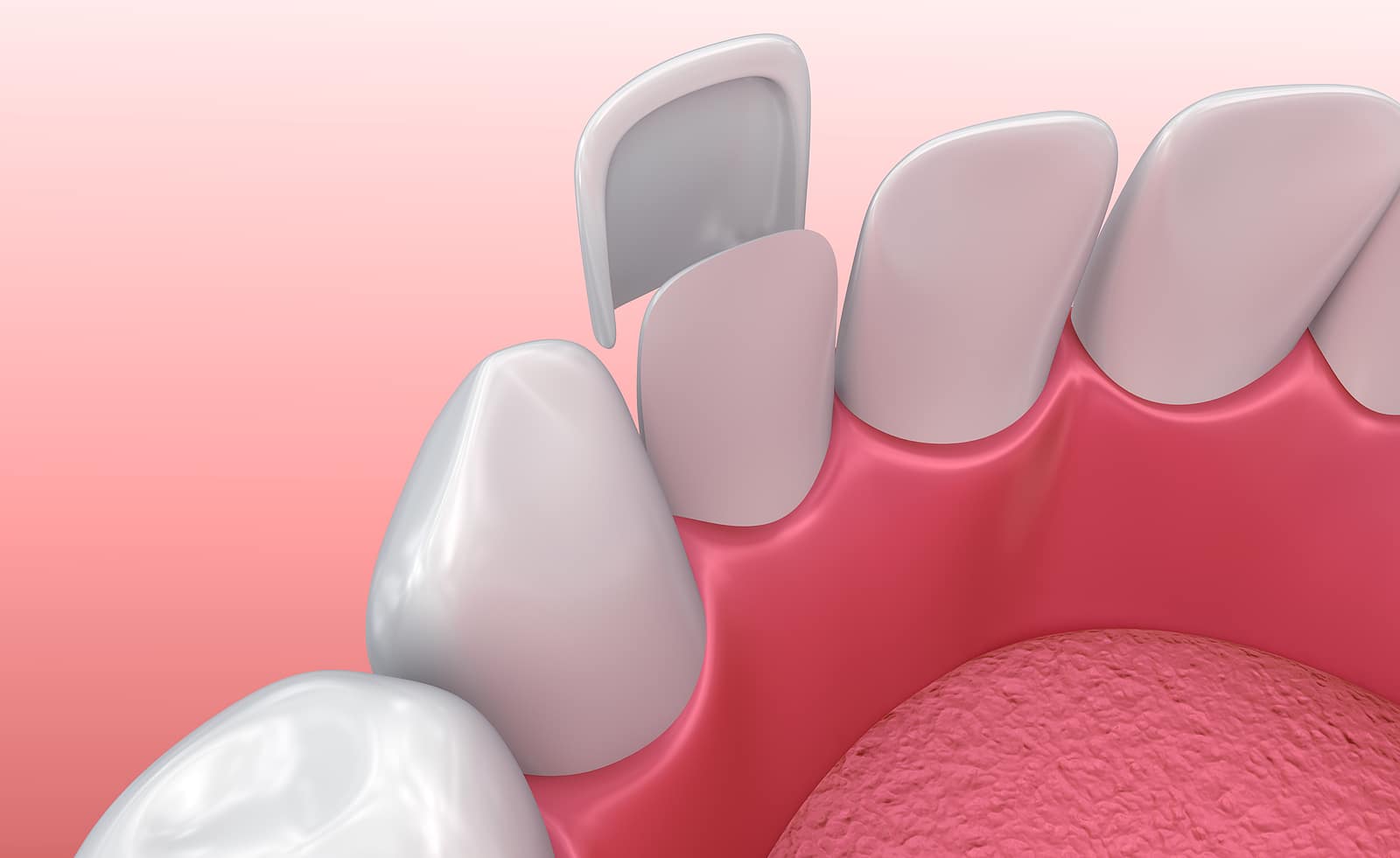


Root canal treatment is a common and effective procedure used to save teeth that are severely decayed or infected. At Bella Smiles, we understand that patients often have questions about the complexity of the procedure, especially depending on the type of tooth being treated.
Many people wonder whether a root canal on incisors is easier than a root canal on molars. In this article, we’ll explore the differences between these teeth and explain what factors make one treatment generally simpler than the other, helping you feel more informed before your procedure.
Understanding Root Canal Treatment
Before delving into the specifics, it’s essential to understand what root canal treatment entails. The procedure involves removing the infected or damaged pulp inside the tooth, cleaning and disinfecting the root canals, and then filling and sealing them. This helps to prevent further infection and saves the natural tooth.
Incisors vs. Molars: An Overview
Incisors:
- Located at the front of the mouth.
- Typically have a single, straight root and root canal.
- Primarily used for cutting and slicing food.
Molars:
- Located at the back of the mouth.
- Usually have multiple roots (two to four) and root canals.
- Used for grinding and chewing food.
Why Incisor Root Canal Treatments Are Generally Easier
- Fewer Canals:
- Simplicity: Incisors generally have only one root canal, making the treatment more straightforward. The dentist has a single canal to clean, shape, and fill.
- Reduced Time: Fewer canals mean less time spent during the procedure, leading to a quicker treatment session.
- Accessibility:
- Position: Incisors are easily accessible at the front of the mouth. This accessibility allows the dentist to work more comfortably and efficiently.
- Visibility: Better visibility means the dentist can clearly see what they are doing, reducing the risk of complications.
- Straight Canals:
- Less Curvature: The root canals of incisors are usually straight, simplifying the cleaning and filling process. Curved canals, which are more common in molars, can be more challenging to navigate.
Challenges of Molar Root Canal Treatments
- Multiple Canals:
- Complexity: Molars can have multiple root canals, each requiring individual attention. This increases the complexity and duration of the treatment.
- Variation: The number of canals can vary, and additional canals might be hidden, making them difficult to locate and treat.
- Difficult Access:
- Position: Molars are located at the back of the mouth, making them harder to reach. This can make the procedure more uncomfortable for both the patient and the dentist.
- Visibility: Limited visibility can increase the difficulty of the procedure and the risk of missing or inadequately treating a canal.
- Curved Canals:
- Navigation Challenges: The root canals of molars often have curves and branches, making them harder to clean thoroughly. Specialized instruments and greater skill are required to navigate these complex structures.
Special Considerations
While incisor root canal treatments are generally easier, it’s important to consider individual cases. Factors such as the extent of infection, the tooth’s anatomy, and the patient’s overall oral health can influence the complexity of the procedure.
Conclusion
In general, root canal treatments on incisors tend to be easier than those on molars because of their simpler anatomy, easier access, and fewer canals. However, each case is unique, and the complexity can vary based on individual circumstances. The success of any root canal procedure depends on the expertise of your dentist and following proper post-treatment care.
At Bella Smiles, our experienced team ensures that every root canal treatment is performed with precision and care to preserve your natural teeth and maintain your oral health. Call Bella Smiles today to schedule a consultation and find out how we can help save your tooth and keep your smile healthy!