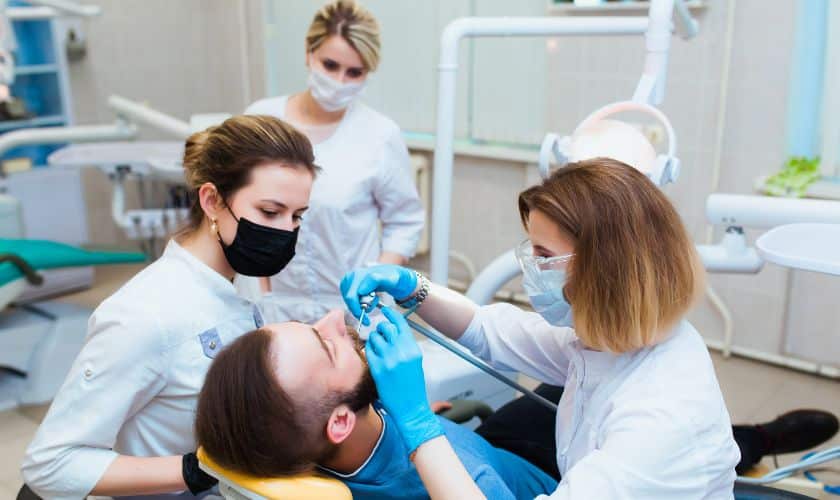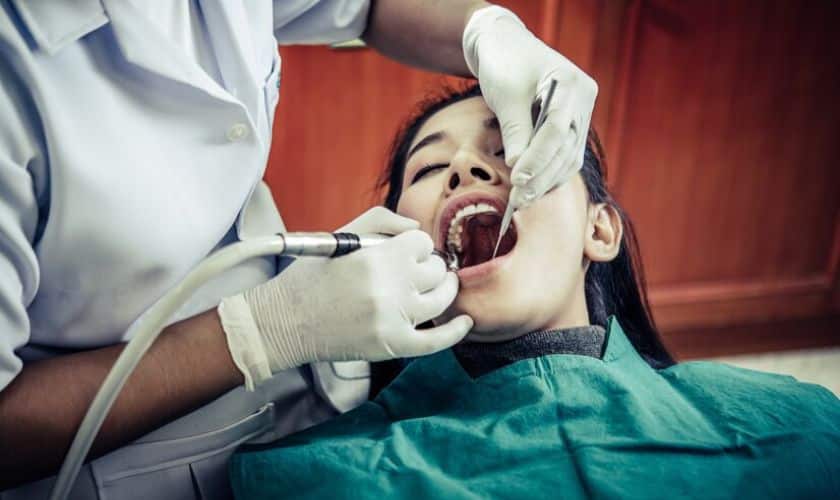


Undergoing an extraction of teeth can feel intimidating, but proper care after an extracted tooth is essential for a smooth recovery. Following your dentist’s instructions is crucial, and knowing what to avoid after a dental extraction can help prevent complications.
At Bella Smiles, we guide patients through every step of tooth extraction in Las Vegas to ensure safe healing. Here are the top five things you should avoid after a tooth extraction to protect your oral health.
1. Avoid Smoking and Using Tobacco Products
Why it matters: Smoking and using other tobacco products can significantly impede the healing process and increase the risk of complications such as dry sockets.
Explanation: Smoking reduces blood flow to the extraction site, delaying healing and increasing the likelihood of infection. Additionally, the sucking action of smoking can dislodge the blood clot that forms in the socket, leading to a painful condition known as dry socket.
What to do instead: Refrain from smoking for at least 72 hours after the extraction. If possible, use this opportunity to quit smoking entirely for better overall health.
2. Avoid Using Straws and Sucking Motions
Why it matters: Sucking motions can dislodge the blood clot that is crucial for proper healing.
Explanation: The blood clot that forms in the socket after extraction acts as a protective layer over the underlying bone and nerves. Using a straw creates a suction that can pull this clot out, leading to a dry socket and delaying healing.
What to do instead: Drink directly from a glass and avoid any activities that involve sucking, such as smoking or chewing gum, for at least a week.
3. Avoid Vigorous Rinsing and Spitting
Why it matters: Vigorous rinsing and spitting can disrupt the blood clot and delay healing.
Explanation: While it’s important to keep your mouth clean, rinsing too vigorously can disturb the blood clot in the socket, increasing the risk of dry socket and infection.
What to do instead: Gently rinse your mouth with a saltwater solution 24 hours after the extraction. Mix half a teaspoon of salt in a glass of warm water and gently swish it around your mouth before letting it fall out naturally. Repeat this several times a day, especially after meals.
4. Avoid Hard, Crunchy, and Chewy Foods
Why it matters: Eating hard, crunchy, or chewy foods can irritate the extraction site and hinder the healing process.
Explanation: Foods that require excessive chewing or have sharp edges can damage the extraction site, leading to pain, bleeding, and delayed healing.
What to do instead: Stick to soft foods like yogurt, mashed potatoes, applesauce, smoothies, and soups for the first few days. Gradually reintroduce solid foods as you feel more comfortable and as the healing progresses.
5. Avoid Intense Physical Activity
Why it matters: Intense physical activity can increase blood pressure and lead to bleeding at the tooth extraction site.
Explanation: Strenuous exercise or heavy lifting can elevate your heart rate and blood pressure, which might cause the blood clot to dislodge and lead to prolonged bleeding or a dry socket.
What to do instead: Rest and limit physical activity for at least 24 to 48 hours after the extraction. When you resume exercise, start with light activities and gradually increase intensity as you heal.
Conclusion
Proper care after a tooth extraction is essential for a smooth, complication-free recovery. Avoiding smoking, using straws, vigorous rinsing, hard foods, and intense physical activity can help your extraction site heal quickly. Always follow your dentist’s specific aftercare instructions, and contact your dentist immediately if you notice unusual pain or symptoms.
At Bella Smiles, our experienced dentists are here to guide you through every step of your recovery. Schedule a follow-up today to ensure your oral health stays on track.
FAQs
Q. What are you not supposed to do after a tooth extraction?
A: The blog highlights all the activities you must avoid immediately after a tooth extraction. These include smoking, rinisng and mane more.
Q. How long should you rest after getting a tooth pulled?
A: Rest during the first 24–48 hours, but avoid prolonged inactivity, as it can slow your healing.