

“Does root canal treatment have side effects?” – While RCT treatment is a reliable way to save a decayed or infected tooth, it may lead to certain long-term effects that patients should consider.
At Bella Smiles in Las Vegas, NV, we believe in keeping our patients fully informed. Understanding the potential side effects of root canal therapy, such as root canal infection or tooth brittleness, can help you take proactive steps to protect your oral health after treatment.
What is Root Canal Therapy?
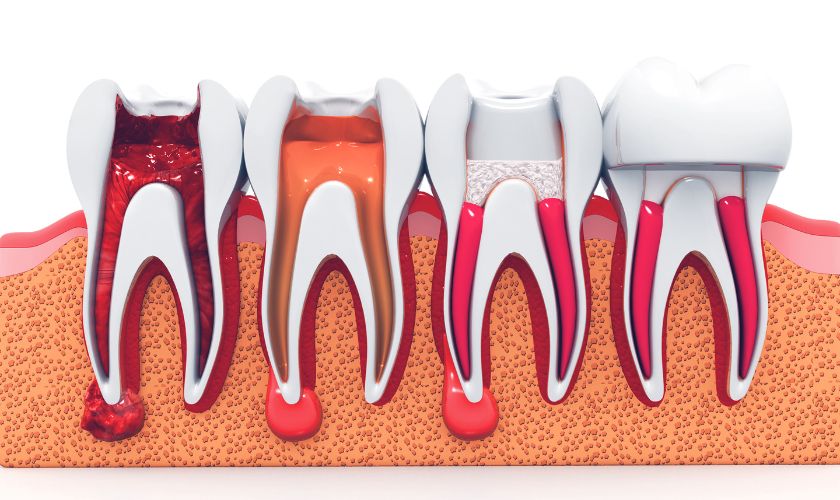
The root canal procedure involves removing the infected or damaged pulp from within the tooth, thoroughly cleaning the space, and sealing it to prevent future infection. This canal root treatment is an effective way to preserve a tooth that might otherwise need extraction. However, like any medical intervention, RCT treatment can have long-term effects that patients should be aware of when considering root canal dental care.
Long-Term Side Effects of RCT Treatment
Tooth Discoloration
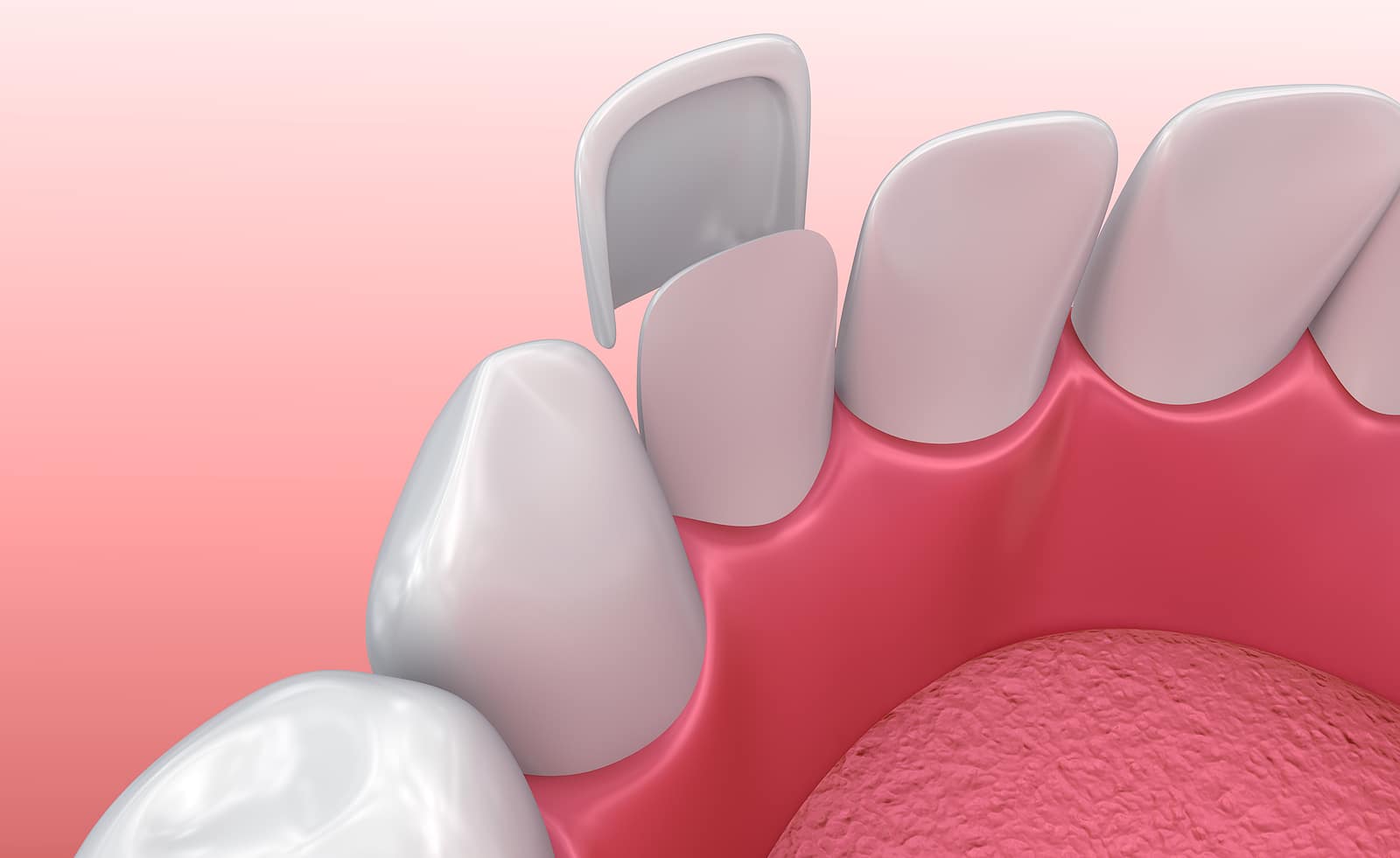
Over time, a tooth that has undergone root canal therapy may show signs of discoloration of teeth. This dental discoloration occurs because removing the living pulp can cause the tooth to become brittle and darken. Although discolored teeth are mainly a cosmetic concern, enamel discoloration can be effectively treated with options such as teeth whitening or dental veneers.
Brittle Teeth
One of the common causes for brittle teeth is root canal therapy, as it involves removing the tooth’s blood supply, which can reduce its strength and resilience. As a result, brittle teeth may become more prone to cracks or fractures—one of the key brittle teeth symptoms. To prevent further damage, dentists often recommend crowns as an effective brittle teeth treatment to restore durability and function.
Infection or Abscess
While RCT treatment is intended to eliminate infection and save the tooth, there is still a possibility of complications such as root canal infection or a dental abscess. An abscess tooth can develop if infected tissue is not entirely removed or if the seal of the tooth weakens over time. Awareness of the signs of tooth infection and attending regular dental check-ups is key to preventing and managing these potential issues.
Inflammation and Bone Loss
In certain cases, the root canal procedure may lead to inflammation and bone loss in teeth around the root of the treated area. This condition, often linked to apical periodontitis, can result in discomfort even after RCT treatment. To address this, dental bone loss treatment options—such as apicoectomy or retreatment—may be necessary. Depending on the severity, treatment for bone loss in gums might also be recommended to preserve overall oral health.
Nerve Damage
Although uncommon, nerve damage in teeth can occur if instruments used during the root canal procedure go beyond the root tip and impact nearby nerves. This may result in persistent tooth nerve pain or numbness in the surrounding area. Such complications from canal root treatment can lead to symptoms of nerve pain in tooth, including tingling, sharp pain, or sensitivity that lingers beyond normal healing.
Loss of Tooth Function
Even after a successful root canal procedure, the treated tooth may lose some of its functionality. This can occur if the tooth becomes brittle or if bone support around the root is compromised. As a result, the tooth may not perform as effectively in biting or chewing. While canal root treatment helps preserve the tooth structure, its long-term strength and function can still be affected.
Chronic Pain
Some patients may experience persistent discomfort or after root canal pain long after the root canal procedure is completed. This ongoing pain could be a result of lingering infection, inflammation, or other underlying complications. It’s essential to have a dental evaluation, as early diagnosis and follow-up RCT treatment may be necessary to address the issue effectively.
Long-Term Side Effects of Root Canal Procedure
- Regular Dental Check-ups: Regular visits to the dentist are essential for monitoring the health of the treated tooth and catching any potential problems early. Your dentist can identify signs of reinfection, structural issues, or other complications that may arise over time.
- Proper Oral Hygiene: Maintaining good oral hygiene is crucial in preventing complications. Brushing twice daily, flossing daily, and using an antiseptic mouthwash can help keep your teeth and gums healthy.
- Protective Measures: Using a mouthguard during sports or avoiding hard foods can protect your brittle teeth from fractures. Additionally, consider placing a crown on the treated tooth to provide extra strength and protection.
- Prompt Attention to Symptoms: If you experience any symptoms, such as pain, swelling, or changes in tooth color, contact your dentist immediately. Early intervention can prevent minor issues from becoming major problems.
- Healthy Lifestyle Choices: Eating a balanced diet, avoiding tobacco, and limiting sugary foods and drinks can improve overall dental health and reduce the risk of complications related to root canal therapy.
Conclusion
RCT treatment is a highly effective solution for preserving infected or damaged teeth, but it may come with certain long-term risks. Being informed about the possible side effects of root canal treatment – such as tooth brittleness or root canal infection – empowers patients to take proactive steps in safeguarding their oral health.
At Bella Smiles in Las Vegas, NV, we encourage regular dental check-ups, proper hygiene, and preventive care to help your treated tooth stay strong and functional.
Schedule your appointment to ensure lasting results from your root canal treatment!
FAQs
Q. Can a Root Canal Cause Other Health Problems?
A: No, there is no scientific evidence linking root canal procedures to systemic health issues like cancer, heart disease, or arthritis. Modern RCT treatment is safe and effective for treating infected teeth.
Q. Can Root Canal Therapy Cause Pain?
A: With modern anesthesia, root canals are usually no more painful than a filling. You may feel mild pressure during the procedure and slight soreness after.
Q. How Long Does it take to Recover From Root Canal Therapy?
A: Recovery from a root canal usually takes a few days to a week. Mild soreness or sensitivity is common, but most people feel better within a week. You can resume normal activities in 2–3 days, but avoid chewing on the treated tooth until your dentist advises.