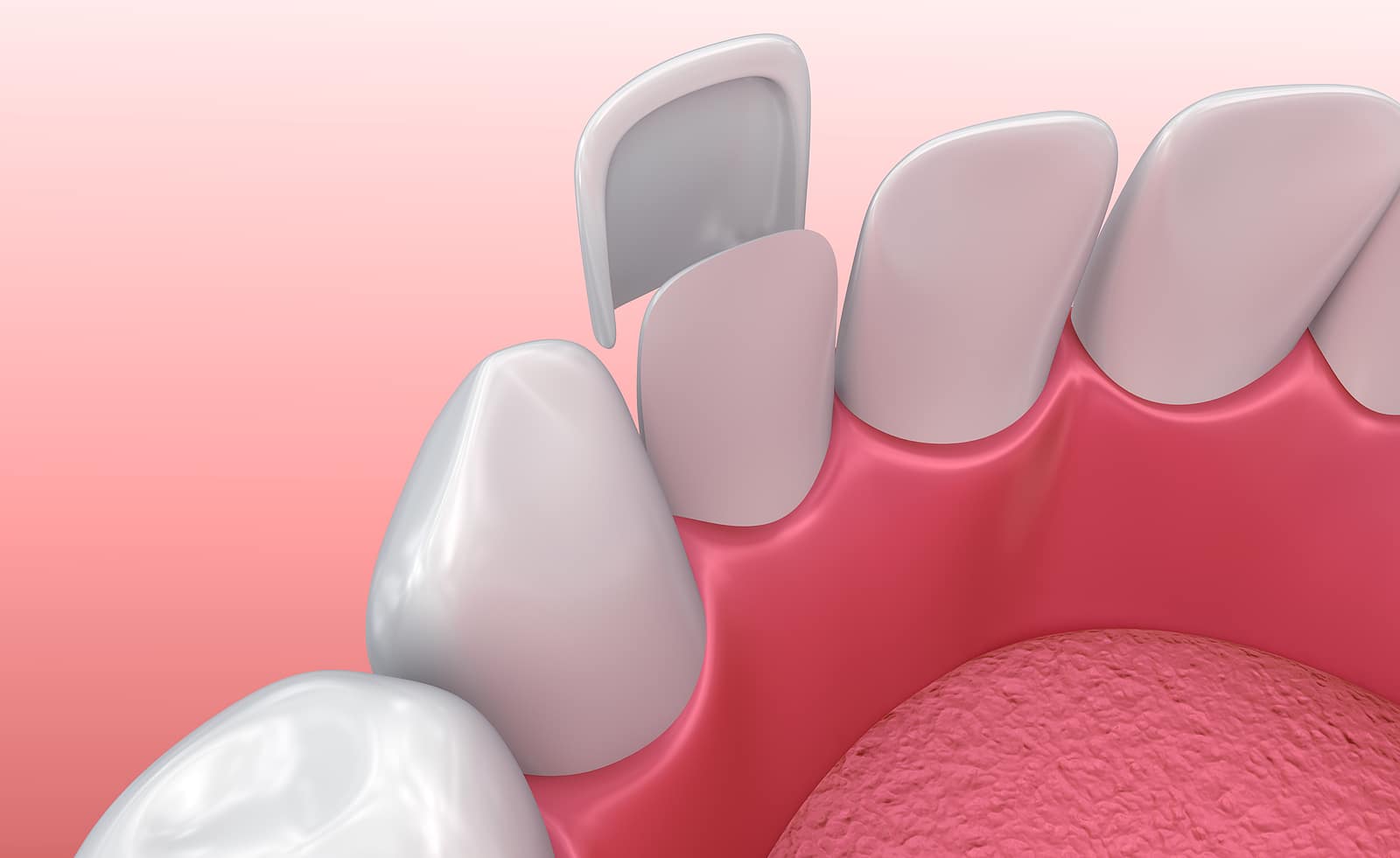



Root canal therapy, often simply referred to as a root canal, is a common dental procedure aimed at saving a severely decayed or infected tooth. Despite its widespread use, there are still misconceptions and concerns about the long-term effects of root canal therapy. In this blog post, we’ll delve into the truth behind root canal therapy, its long-term effects, and what patients can expect post-treatment.
Understanding Root Canal Therapy
Root canal therapy is performed when the pulp, the innermost layer of the tooth containing nerves and blood vessels, becomes infected or inflamed. This can occur due to deep decay, repeated dental procedures on the tooth, or traumatic injury. During the procedure, the infected or damaged pulp is removed, the inside of the tooth is cleaned and disinfected, and it is then filled and sealed with a material called gutta-percha. Finally, a crown or filling is placed to restore the tooth’s structure and function.
Long-Term Effects of Root Canal Therapy
- Preservation of the Natural Tooth: One of the primary long-term effects of root canal therapy is the preservation of the natural tooth. By removing the infected or damaged pulp and sealing the tooth, root canal therapy can save the tooth from extraction and maintain its functionality.
- Pain Relief: Root canal therapy effectively eliminates the source of tooth pain caused by infection or inflammation of the pulp. Once the procedure is completed, patients typically experience relief from toothache and discomfort.
- Prevention of Further Infection: By removing the infected pulp and thoroughly cleaning the inside of the tooth, root canal therapy helps prevent the spread of infection to surrounding teeth and tissues. This can prevent more serious oral health issues and systemic health problems.
- Restoration of Chewing Function: Following root canal therapy and restoration with a crown or filling, patients can regain normal chewing function, allowing them to comfortably eat a wide variety of foods.
- Longevity of Treatment: With proper oral hygiene and regular dental care, root canal-treated teeth can last a lifetime. However, like natural teeth, they still require maintenance and may be susceptible to decay or fracture over time.
Addressing Common Concerns
Despite the proven benefits of root canal therapy, some patients may still have concerns about its long-term effects. Common misconceptions include the belief that root canal-treated teeth can cause systemic health problems or that they are more prone to fracture. However, extensive research and clinical evidence have debunked these myths, confirming the safety and efficacy of root canal therapy as a standard dental procedure.
Conclusion
Root canal therapy is a valuable treatment option for preserving teeth and relieving pain caused by infection or inflammation of the pulp. The long-term effects of root canal therapy include preservation of the natural tooth, pain relief, prevention of further infection, restoration of chewing function, and longevity of treatment. By understanding the truth behind root canal therapy and addressing common concerns, patients can make informed decisions about their dental health and confidently pursue treatment when needed. Remember, regular dental check-ups and proper oral hygiene are essential for maintaining the health and longevity of root canal-treated teeth.