

Oral cancer is a serious and potentially life-threatening disease that affects millions of people worldwide. While the risk factors for oral cancer vary, early detection through regular screenings can significantly improve treatment outcomes and survival rates. In this blog post, we’ll explore who should undergo oral cancer screenings, why they’re important, and how often they should be performed.
Understanding Oral Cancer
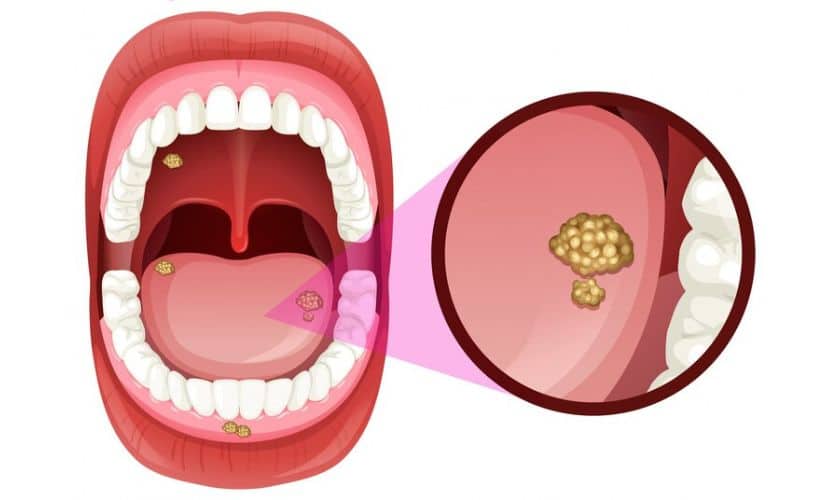
Oral cancer refers to any cancerous tissue growth located in the oral cavity, including the lips, tongue, cheeks, floor of the mouth, palate, and throat. Common symptoms of oral cancer may include persistent mouth sores, swelling, numbness, difficulty chewing or swallowing, and unexplained bleeding. Like many cancers, oral cancer is most treatable when detected in its early stages.
Who Should Get Oral Cancer Screenings?
- High-Risk Individuals:
- Individuals with certain risk factors are at a higher risk of developing oral cancer and should undergo regular screenings. These risk factors may include:
- Tobacco use (smoking or chewing)
- Heavy alcohol consumption
- Previous history of oral cancer or precancerous lesions
- Prolonged exposure to sunlight (increasing the risk of lip cancer)
- Human papillomavirus (HPV) infection, particularly HPV-16
- High-risk individuals should consider regular oral cancer screenings as part of their routine dental check-ups.
- Age and Gender:
- Oral cancer can affect individuals of any age, but the risk increases with age, particularly after the age of 40.
- Men are more likely to develop oral cancer than women, making regular screenings even more crucial for this demographic.
- Family History:
- Individuals with a family history of oral cancer or other types of cancer may have a higher predisposition to developing the disease. Regular screenings can help detect any abnormalities early on.
How Often Should Oral Cancer Screenings Be Done?
- Frequency of Screenings:
- The frequency of oral cancer screenings may vary depending on individual risk factors and the recommendations of dental professionals.
- For individuals at higher risk, such as tobacco users or those with a history of oral cancer, screenings may be recommended annually or more frequently.
- Low-risk individuals without predisposing factors may undergo screenings less frequently, typically during their routine dental check-ups.
- Regular Dental Visits:
- Regular dental visits provide an excellent opportunity for oral cancer screenings. Dentists and dental hygienists are trained to detect early signs of oral cancer during routine examinations.
- During a screening, the dentist will visually inspect the oral cavity and may use additional tools such as a tongue depressor or oral cancer screening device to examine the tissues more closely.
Conclusion
Oral cancer screenings are a vital component of preventive healthcare, particularly for individuals with known risk factors or predispositions. By undergoing regular screenings and maintaining open communication with dental professionals, individuals can take proactive steps to detect oral cancer early and improve their chances of successful treatment. If you have concerns about your risk of oral cancer or would like to schedule a screening, contact your dentist to discuss your options and develop a personalized screening plan. Your oral health is worth prioritizing, and regular screenings can play a crucial role in preserving it.