

“How Long Does an Infection Last After Tooth Extraction?” With proper treatment, an infection after tooth extraction typically lasts 7 to 10 days, but without care, it can worsen and lead to more serious issues like a dental abscess.
At Bella Smiles in Las Vegas, NV, we often see patients concerned about “after tooth pulled infection”, especially if they’re experiencing discomfort beyond the normal healing window.
Following tooth extraction surgery, mild swelling and discomfort are expected. However, if you notice persistent pain, bad breath, pus, or fever, these may be signs of tooth infection symptoms that require professional attention from a dentist in Las Vegas.
The duration and severity of the infection depend on your body’s response and how quickly you receive care. Our Las Vegas dentist team emphasizes early diagnosis and proper post-op hygiene to minimize complications and promote a smooth recovery after the extraction of a tooth.
What Causes Infection After Tooth Extraction
An infection after tooth extraction can occur when bacteria enter the socket before it fully heals. Dentists in Las Vegas point out that the common causes of a tooth extraction infection include poor oral hygiene, trapped food particles, or incomplete removal of infected tissue. If left untreated, a tooth infection after extraction can lead to pain, swelling, and delayed healing. Learn how dentists safely manage and extract infected tooth procedures to protect your oral health and promote faster recovery.
The Process of Tooth Extraction
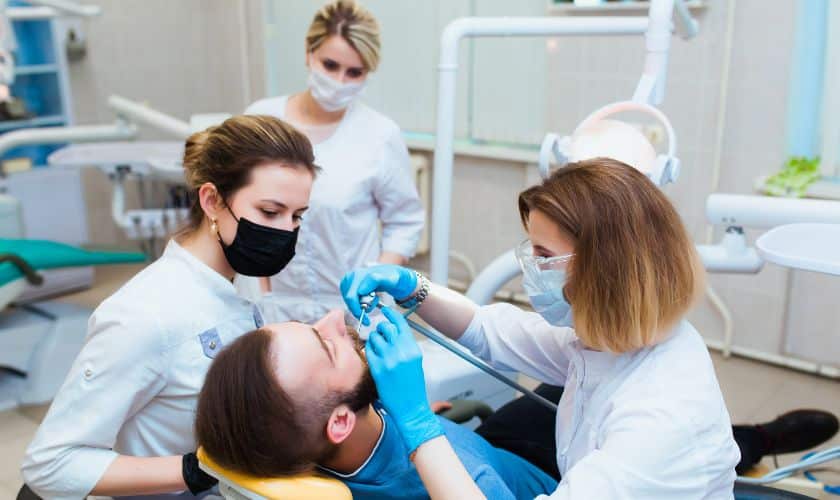
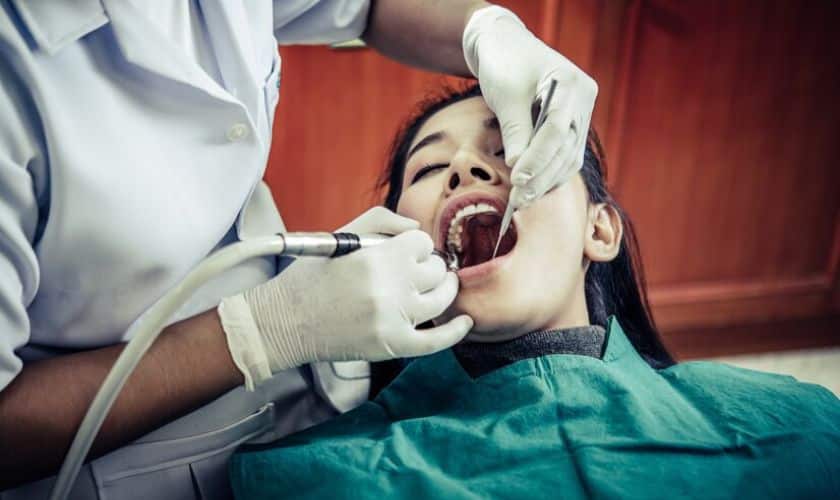
Tooth extraction is a standard procedure that involves carefully removing a tooth from its socket in the jawbone. Whether it’s a simple removal or a more complex dental extraction surgery, the goal is to eliminate pain, infection, or crowding. Most tooth extractions performed by a dentist in Las Vegas are done under local anesthesia to ensure patient comfort.
During the extraction of teeth, especially in cases involving molars, your dentist in Las Vegas may need to make a small incision or section the tooth to facilitate removal. Once the tooth is removed, gauze is placed over the site to help stop bleeding and allow a protective clot to form.
Proper aftercare tooth extraction practices—such as keeping the area clean and avoiding certain foods—are crucial for healing. Following these instructions can significantly improve molar extraction recovery and reduce the risk of complications.
Risk of Infection Post-Tooth Extraction Surgery
Despite the care taken during tooth extraction surgery, there’s always a possibility of infection developing afterward. Even with a sterile environment and prescribed antibiotics, bacteria naturally present in the mouth can enter the extraction site—especially after a surgical extraction procedure. This can result in inflammation and infection, particularly following a more complex dental extraction surgery.
Patients should watch for dental infection symptoms, which often include persistent pain, swelling, redness, and discharge. Other symptoms may include a foul taste in the mouth, bad breath, or fever. Recognizing the early signs of tooth infection is key to prompt treatment and preventing more serious complications.
Duration of Infections Post-Tooth Extraction Surgery
The healing time for an infection after tooth extraction can vary based on a few key factors—like how serious the infection is, your overall health, and how well your treatment is working. After a tooth extraction surgery or surgical extraction procedure, bacteria can sometimes enter the site of the extracted tooth, leading to complications.
In many cases, your dentist can prescribe antibiotics that effectively treat the infection. Mild cases usually improve within a few days to a week, especially when paired with good oral hygiene. But more severe infections after a dental extraction may take longer to heal and might require extra care—such as draining pus or cleaning out infected tissue.
It’s important to watch for tooth infection symptoms like swelling, pain that doesn’t go away, discharge, or a bad taste in the mouth. Other common dental infection symptoms include fever and redness around the area. These signs of tooth infection shouldn’t be ignored. To ensure proper healing, always follow your dentist’s instructions, take all medications as directed, and keep your follow-up appointments.
How To Treat an Infection After Tooth Extraction?
While it’s not always possible to completely prevent an infection after tooth extraction, patients can take several proactive steps to lower their risk and encourage proper healing. At Bella Smiles in Las Vegas, NV, we emphasize the importance of preventive care to help you avoid complications like dental abscess symptoms or other tooth infection symptoms.
Follow Post-Operative Care Instructions
Carefully follow your dentist’s post-op guidelines, including how to keep the extraction site clean and when to seek help. Ignoring instructions can lead to delays in healing and increase the chance of developing abscess symptoms and tooth-related complications.
Maintain Good Oral Hygiene
Gentle brushing and rinsing with warm salt water can help reduce bacteria and inflammation. Practicing good oral hygiene plays a major role in preventing dental infection symptoms after a tooth is removed.
Avoid Smoking and Alcohol
Smoking and excessive alcohol use slow down healing and raise the risk of infection. To avoid developing signs of tooth infection or abscess in the mouth, it’s best to avoid these habits during recovery.
Attend Follow-Up Appointments
Routine checkups with your dentist in Las Vegas allow for close monitoring of your healing process. If tooth abscess symptoms or any other concerning signs appear, your dentist can act quickly to treat the issue before it worsens.
Conclusion
Infections following tooth extraction surgery can still occur, even when the patient and the dental team take all the right precautions. However, with proper aftercare, early recognition of tooth infection symptoms, and prompt treatment, most post-extraction infections can be managed successfully.
Whether undergoing a dental extraction in Las Vegas or elsewhere, it’s important to care for your extracted tooth site, maintain good oral hygiene, and watch for warning signs of a dental abscess. At Bella Smiles, our experienced dentist in Las Vegas is committed to helping you heal quickly and comfortably. Trust our Las Vegas dentist team to guide you through every step of your recovery and support your long-term dental health.
If you’re experiencing discomfort after a recent extraction or want expert care for your smile, contact Bella Smiles in Las Vegas, NV, today to schedule an appointment. Your comfort and oral health are our top priorities.
FAQs
Q. How do you get rid of an infection in your mouth after a tooth extraction?
A: If you’ve had a tooth removed, watch for signs of infection—especially if pain and swelling worsen 4 to 6 days after surgery. Infections are typically treated with antibiotics, so prompt care is key to recovery.
Q. How do you know if you have an infection after tooth removal?
A: Common signs of infection after a tooth extraction include ongoing pain, swelling, redness, and pus at the site. Fever, bad breath, or a foul taste in the mouth may also occur. If symptoms are severe or don’t improve, contact your dentist immediately.
Q. How do I know if my tooth extraction is healing properly?
A: Mild discomfort is normal after a tooth extraction, but pain should gradually lessen—not worsen—as healing progresses. Swelling should also steadily reduce.