

How long do dental implants last? This is one of the most common questions patients ask when considering tooth replacement. The short answer: dental implants can last 20 years or more—and often a lifetime—with proper care.
At Bella Smiles, we offer high-quality dental implants designed to restore strength, function, and confidence. Unlike dentures or bridges, implants in teeth are a permanent solution that integrates directly with your jawbone, making them one of the most durable options in modern dentistry.
Understanding Dental Implants
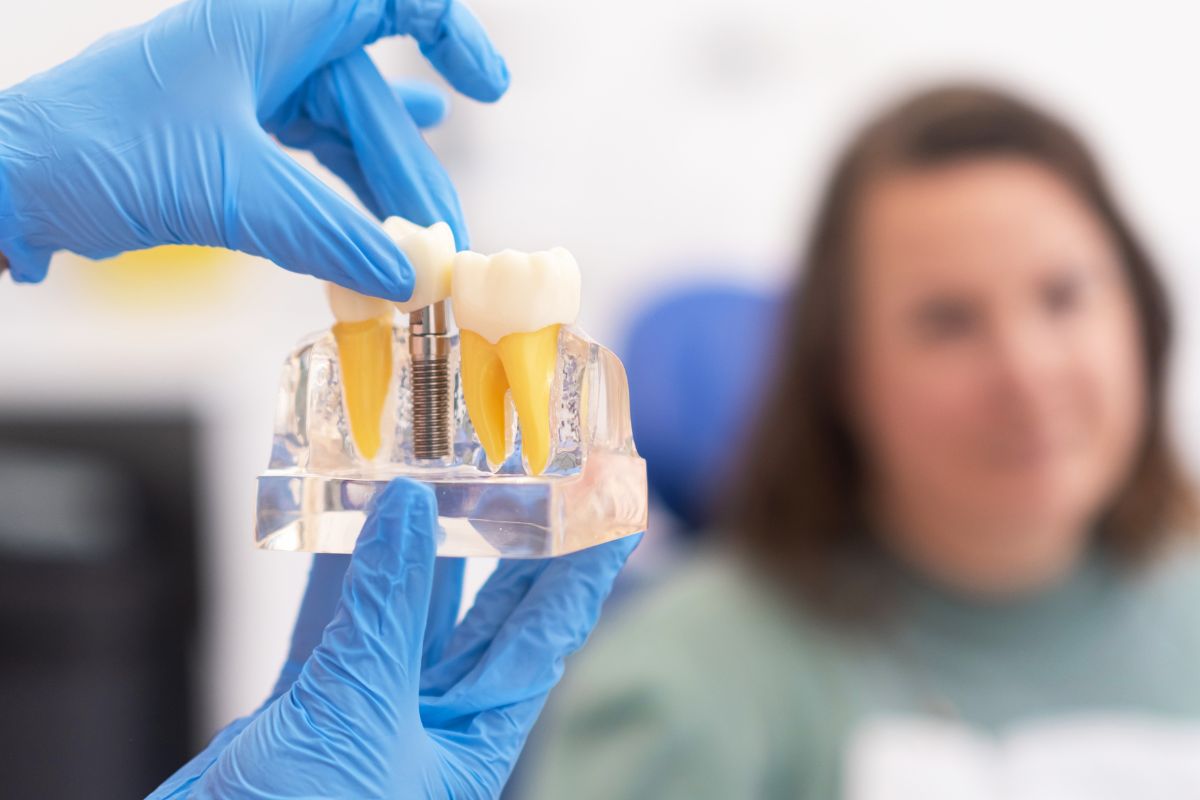
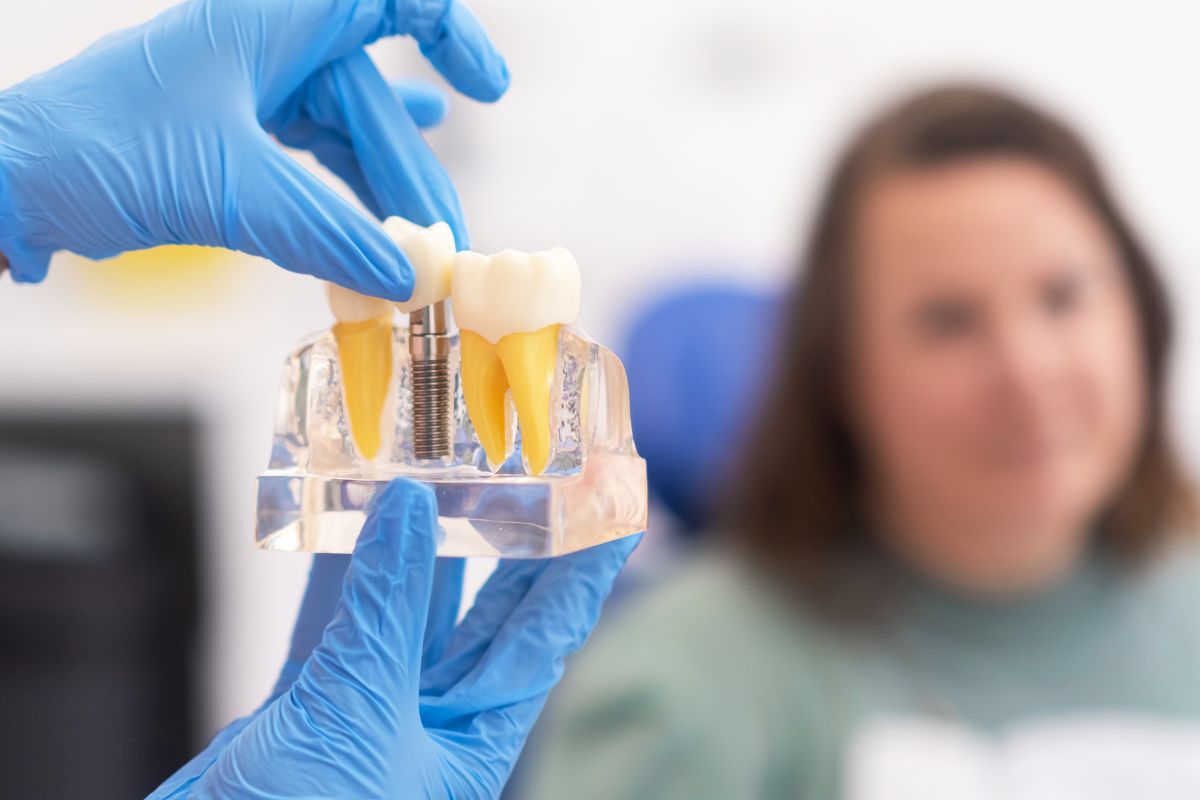
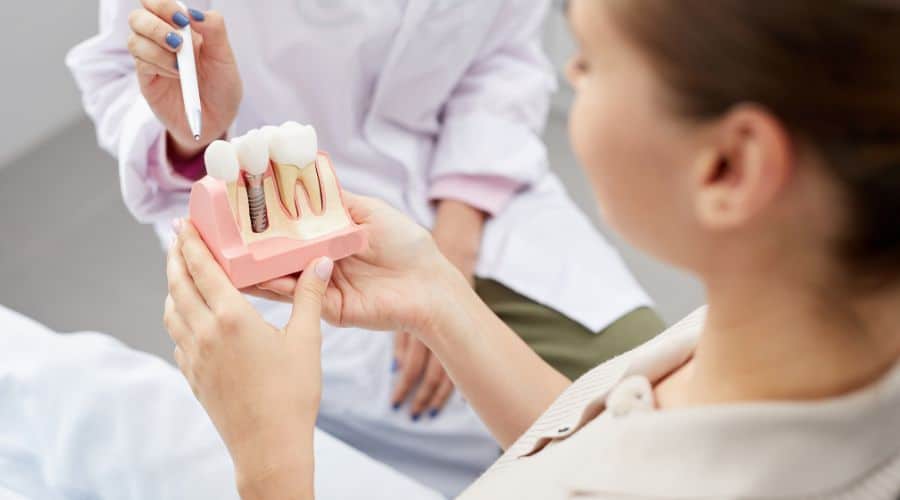
A dental implant is a titanium post surgically placed into the jawbone to replace the root of a missing tooth. Over time, the implant bonds with the bone through a process called osseointegration. Once healed, a custom crown is placed on top, creating natural-looking implant teeth that function like real teeth.
This implant teeth procedure restores:
- Chewing ability
- Jawbone strength
- Facial structure
- A natural, confident smile
Whether replacing a single implant tooth or multiple implant teeth, the goal is long-term oral health.
Factors That Affect How Long Dental Implants Last
While implants are built to last, several factors influence their lifespan:
1. Implant Quality & Dental Expertise
High-grade materials and precise placement are essential. At Bella Smiles, implant treatments are planned using advanced diagnostics to ensure accuracy and long-term success.
2. Oral Hygiene
Daily brushing, flossing, and routine dental visits help prevent gum disease and peri-implantitis—conditions that can affect implant tooth stability.
3. Bone Density & Jaw Health
Strong bone support is critical. Patients with low bone density may need bone grafting to ensure their implants remain secure over time.
4. Overall Health
Conditions like uncontrolled diabetes, smoking, or autoimmune disorders can slow healing and reduce implant longevity.
5. Bite Alignment
Proper bite balance prevents excess pressure on implant teeth, reducing wear and long-term complications.
6. Lifestyle Habits
Teeth grinding, chewing ice, or using teeth as tools can damage crowns or stress the implant. Night guards are often recommended for protection.
Expected Lifespan of Dental Implants
Clinical studies show a 10-year success rate of over 90% for dental implants. With excellent care, many patients keep their implant teeth for decades—often for life.
Regular checkups allow your dentist to monitor:
- Gum health around the implant
- Bite alignment
- Crown condition
Early detection of issues helps extend the life of your implant investment.
Are Dental Implants Worth It?
Compared to dentures or bridges, implants offer:
- Superior stability
- No impact on nearby teeth
- Long-term cost efficiency
- A natural look and feel
If you’re searching for implant teeth near me, dental implants are one of the most reliable solutions available.
Final Thoughts: Long-Lasting Smiles Start at Bella Smiles
Dental implants are a proven, long-term solution for missing teeth. With proper care, strong bone support, and expert placement, implants in teeth can last a lifetime while restoring comfort and confidence.
At Bella Smiles, we’re committed to delivering trusted, personalized implant care—from consultation to long-term maintenance. If you’re considering implant teeth or exploring permanent tooth replacement options, our experienced team is here to help.
Schedule your consultation today and take the first step toward a strong, lasting smile.
FAQs
Q. Can a dental implant last a lifetime?
A: Dental implants are long-lasting, not permanent. The implant post can last a lifetime, while the crown typically needs replacement every 10–20 years. Proper care and regular checkups are essential.
Q. How often do dental implants need replacing?
A: Dental implants can last a lifetime, but the crown or abutment usually needs replacement every 10–20 years due to wear. Good oral hygiene and regular dental visits are key to long-term success.
Q. When do most dental implants fail?
A: Dental implant failure is uncommon and usually occurs in two stages: early failure, within months, due to infection or poor bone integration; and late failure, years later, caused by gum disease, grinding, smoking, or health issues. Overall success rates remain high at 90–98%.