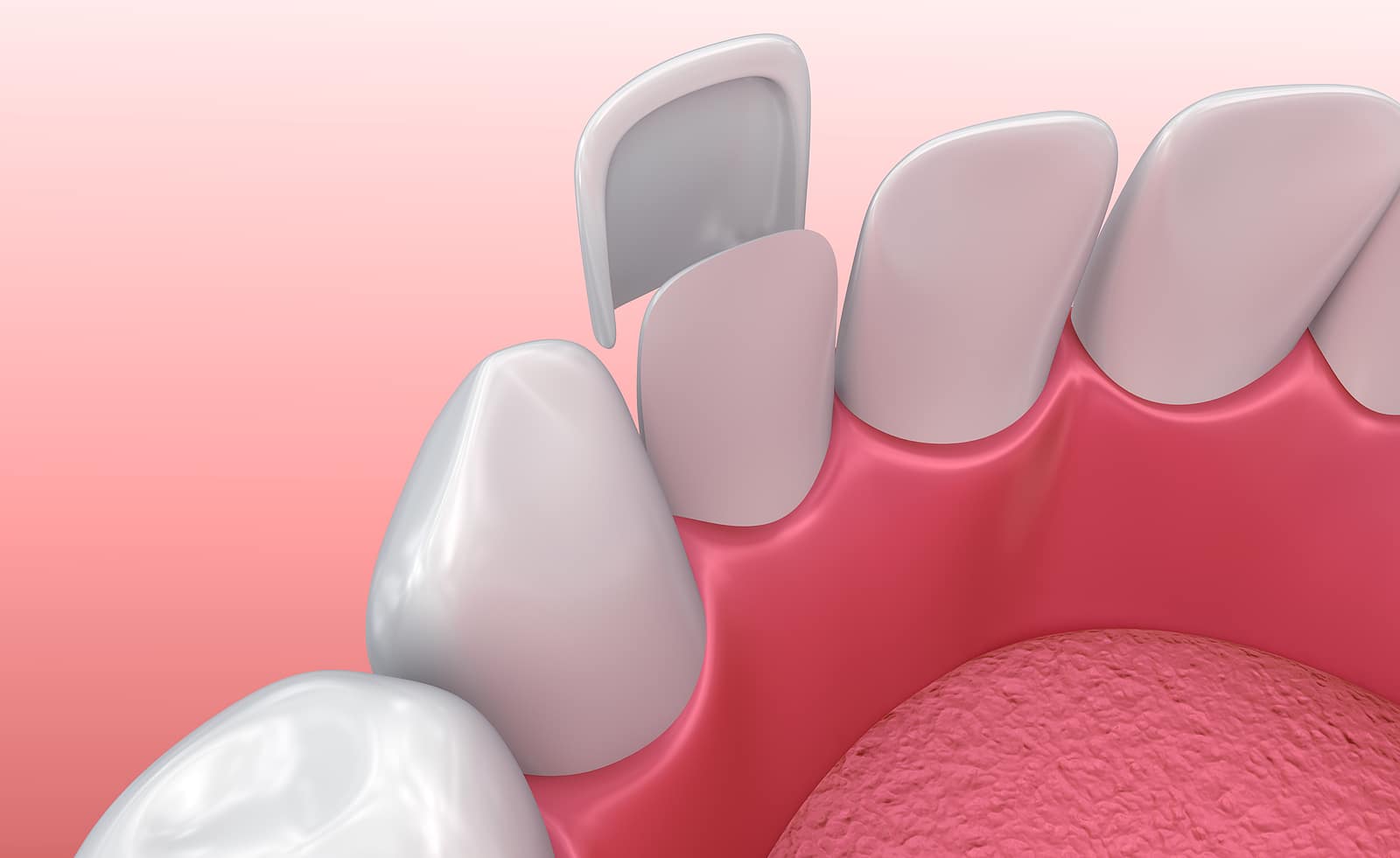


Can dental fillings fix dental cavities?
Dental cavities are the most common dental issue faced by individuals, regardless of age.
The reason for dental cavities is the bacteria in our mouths feeding on the sugars and starches in our food, which in turn produce acids that erode tooth enamel. Now that you know how the problem arises, is there a fix for it? Yes, dentists offer dental fillings to fix the problem of dental cavities in our mouths.
This blog by our dentist at Bella Smiles in Las Vegas explores in detail how dental fillings can help address dental cavities and how to avoid future complications.
How’s and What’s of Dental Cavities
Dental cavities form when plaque and bacteria produce acids that gradually weaken and break down tooth enamel. This process leads to tooth decay, which can progress from small surface damage to deeper infection.
If cavities are not treated early, they can cause decaying teeth, sensitivity, pain, and eventually result in severely decayed teeth that require more extensive dental treatment. Understanding how cavities develop and what causes tooth decay is essential for preventing long-term damage and maintaining strong, healthy teeth.
How Dental Fillings Fix Cavities?
Dental fillings are among the most common and effective ways to treat cavities and prevent tooth decay from spreading. The process is designed to remove damaged tooth structure, restore strength, and protect the tooth from further decay.
Dental Examination and Diagnosis
The first step in treating a cavity is a detailed dental examination. Dentists use visual inspection, dental instruments, and X-rays to locate cavities and determine how deep the decay has progressed. Detecting cavities early allows for simpler treatment and helps prevent more serious damage to the tooth.
Numbing the Area for Comfort
Before treatment begins, local anesthesia is applied to numb the area around the affected tooth. This ensures the procedure is comfortable and pain-free, allowing the dentist to work precisely while the patient remains relaxed.
Removing Tooth Decay
Once the tooth is numb, the dentist carefully removes the decayed portion using a dental drill or specialized tools. This step is critical because all infected tissue must be removed to prevent future decay and protect the remaining healthy tooth structure.
Placing the Dental Filling
After the decay is removed, the cavity is cleaned and filled with a dental filling material. The type of filling used depends on the size and location of the cavity, as well as the patient’s needs and preferences. The filling restores the tooth’s shape, strength, and function, allowing it to be used normally again.
Dental fillings help seal the tooth, prevent bacteria from re-entering, and stop tooth decay from progressing further.
Understanding Types of Dental Fillings
Amalgam Fillings
Amalgam fillings, often called silver fillings, have been used in dentistry for many years. They are made from a blend of metals, including silver, mercury, tin, and copper.
These fillings are known for their strength and long-lasting performance, making them well-suited for back teeth that endure heavy chewing forces. While amalgam fillings are durable and cost-effective, they are more noticeable than tooth-colored options.
Composite Fillings
Composite fillings are made from a tooth-colored resin that closely matches natural enamel. This makes them a popular choice for patients who want a more natural-looking restoration.
In addition to their aesthetic benefits, composite fillings bond directly to the tooth, helping preserve more natural tooth structure. They are commonly used for front teeth or visible areas of the smile.
Ceramic Fillings
Ceramic fillings, also referred to as porcelain fillings, offer a strong and natural-looking solution for treating cavities. They are custom-made to match the color of surrounding teeth and provide excellent durability.
Ceramic fillings are also highly resistant to staining, making them a great option for patients seeking long-term aesthetics and strength, especially in visible areas.
Glass Ionomer Fillings
Glass ionomer fillings are designed to release fluoride over time, which helps protect the tooth from further decay. These fillings bond well to tooth structure and are often used for small cavities, especially near the gumline or on root surfaces.
Because they are not as strong as other filling materials, they are typically recommended for areas with lower bite pressure.
At Bella Smiles, our dental team helps patients choose the right filling option based on comfort, durability, and long-term oral health. Schedule a visit with our dentist to restore cavities early and protect your smile.
How to Maintain Dental Fillings for the Long Term
Your dentist designs the dental fillings to restore and protect your tooth, but their longevity depends on how well they are cared for. Maintaining good oral hygiene and healthy habits helps fillings last longer and prevents future decay.
Proven tips from a dentist on how to care for your dental fillings:
- Brush twice daily using a fluoride toothpaste
- Floss every day to remove plaque around the filling edges
- Avoid biting hard objects like ice or pens
- Limit sugary and acidic foods that can weaken tooth structure
- Attend routine dental checkups to monitor the condition of the filling
Proper care helps protect both the filling and the natural tooth surrounding it.
Do Dental Fillings Need to Be Replaced?
Yes, dental fillings do not last forever. Over time, normal wear and tear can affect their strength and seal. Fillings may also loosen, crack, or wear down, allowing bacteria to enter and cause new decay beneath the filling.
Regular dental exams help identify early signs of filling failure before they lead to pain or infection.
When Should a Dental Filling Be Replaced?
A dental filling may need replacement if:
- You experience sensitivity or pain around the filled tooth
- The filling feels loose or uneven
- Cracks or chips appear in the filling
- Decay develops around or beneath the filling
- The filling shows visible wear on X-rays
The lifespan of a filling varies by material and oral habits. Some fillings last many years, while others may need earlier replacement depending on bite pressure and hygiene routines.
Signs Your Dental Filling May Be Failing
Being aware of early warning signs can help prevent further tooth damage. Common indicators include:
- Sharp pain when biting or chewing
- Sensitivity to hot, cold, or sweet foods
- Rough or jagged edges around the filling
- Dark spots are forming near the filling
If these symptoms appear, a dental evaluation is recommended to prevent additional decay.
How Regular Dental Visits Protect Your Fillings
Routine dental visits allow dentists to check the condition of existing fillings and surrounding teeth. Early detection of wear or leakage makes treatment simpler and helps preserve more natural tooth structure.
Professional cleanings also remove plaque buildup that can weaken the seal between the filling and the tooth.
Conclusion
Dental fillings are an essential part of treating cavities and protecting the long-term health of your teeth. By removing decay and restoring the tooth’s structure, fillings help prevent further damage, discomfort, and complications that can arise from untreated cavities.
With options ranging from durable amalgam fillings to natural-looking composite and ceramic materials, dentists can recommend solutions that match both functional needs and aesthetic preferences. Maintaining good oral hygiene and scheduling regular dental checkups play a key role in preventing cavities and extending the life of dental fillings.
At Bella Smiles, preserving your oral health through timely care and preventive dentistry remains a top priority, helping patients maintain strong, healthy smiles over the long term.
FAQs
Q. Do you fix cavities with fillings?
A: Dental fillings are a restorative dental treatment used to repair cavities and fix small chips or cracks in teeth, helping restore strength, function, and protection against further decay.
Q. Are fillings safe during pregnancy?
A: Yes, dental fillings are safe during pregnancy, and treating cavities is important to prevent infection. The second trimester is ideal, and dentists use pregnancy-safe anesthesia. Composite fillings are preferred, while X-rays and certain medications are avoided unless necessary.
Q. How do you treat cavities in children?
A: Kids’ cavity treatment depends on how severe the decay is. Small cavities are usually treated with dental fillings, while deeper decay may require crowns, pulp therapy, or tooth extraction with space maintainers. In some cases, silver diamine fluoride (SDF) is used to stop decay without drilling, and options like laughing gas or sedation help keep children comfortable.
Q. Can a dentist fill all cavities at once?
A: Yes, dentists can often fill multiple small cavities in one visit. Larger or more complex cavities may require additional time or multiple appointments, depending on their size and location.